Parenting is a tough gig. On top of wanting to raise our kids to be healthy and happy within their own minds and bodies, we also want to make sure they are kind and caring contributors to their community.
Enter the charismatic trait of generosity. Parents with sibling children will know how hard it is to inspire your toddlers to share with their own flesh and blood. It’s one thing to give temporarily or for allocated windows of ‘sharing playtime’. But what about sharing with strangers, other humans your children have never met? Is giving for the sake of giving something we can expect of our children and inspire them to want to be altruistic by nature?
This month at forest school we’re honouring Mandela by weaving the theme of generosity and kindness into our month’s activities. We’re looking to cultivate thoughts and conversations around what it means to be kind to others and things we can do to make other children’s lives better by giving away where we have plenty.
If this sounds like the kind of thing you’d like to incorporate into your little one’s life experience – here’s our list of 5 Mandela day activities for kids that actually teach generosity.
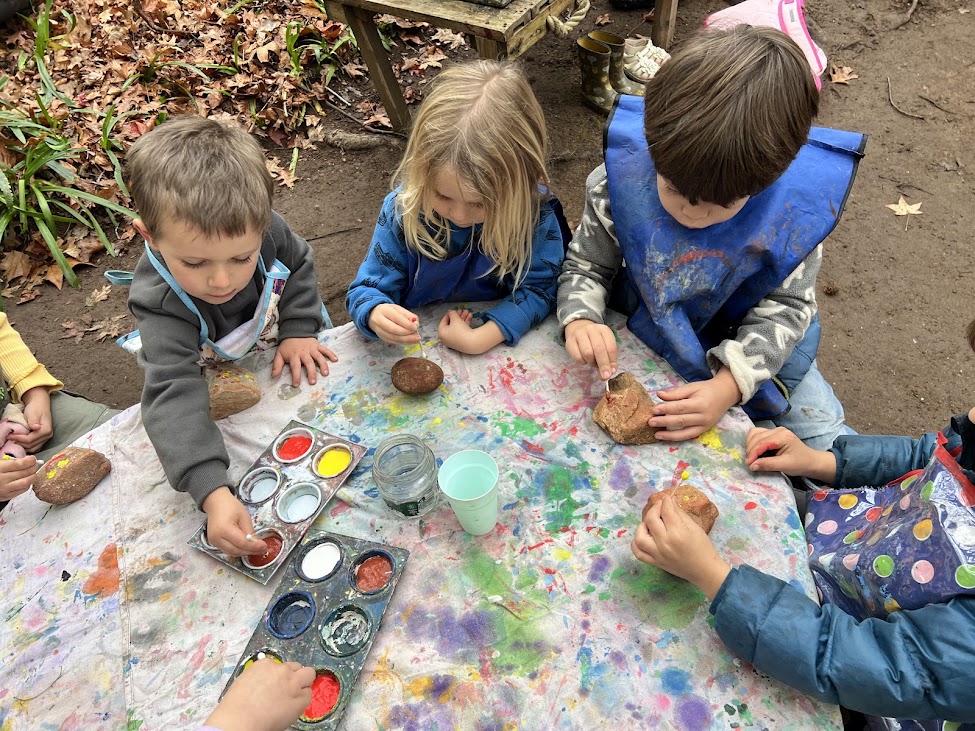
1. Paint Rocks with Kind Words
Grab some rocks from the garden and paint them with kind words or little messages of encouragement, then hide them along the trail for other hikers, children and families to discover. It’s a small act with no audience and no immediate thank-you – which is exactly the point.
Children learn that kindness doesn’t need to be witnessed to be worthwhile, planting the early seeds of generosity as an internal value rather than a performance for approval.
2. Trail Clean-Up
Spend twenty minutes as a family picking up litter along your favourite trail, leaving it better than you found it. This one teaches a quieter, less obvious form of generosity – giving to people (and animals) you’ll never meet, for a benefit you’ll never see.
Over time, kids start to understand that generosity isn’t only about giving things away, it’s also about the effort we put into shared spaces on behalf of others.

3. Make soup in a Jar
Pack a small glass jar (an old honey or jam jar works perfectly) with dried beans, lentils, rice and a few soup spices, then donate it to your local soup kitchen, ready for any family in need to cook at home.
Involving your child in the packing – measuring, layering, choosing what goes in – turns the act from a passive handover into something they made with their own hands.
This helps children connect generosity to effort and intention, rather than just parting with something they didn’t want anyway.

4. Bake to Give
As a family, bake something simple – banana bread, biscuits, muffins – with the explicit purpose of giving it to someone in need, not keeping it for yourselves.
Handing over the entire batch teaches children that generosity sometimes means giving away something good, that maybe you also want and worked hard for not just the leftovers or excess. It’s a small but powerful lesson in what real sharing costs us.

5. Choose Someone to Help
Over breakfast or on the walk to forest school, start a simple conversation: “Who is someone we could help today?” Making this a regular question, rather than a once-a-year Mandela Day exercise, helps children build the habit of actively looking for opportunities to be kind, rather than waiting for kindness to be assigned to them.
Over time, this shifts generosity from something that happens to them (an activity) to something they do (a mindset).
Bonus: Choose One Toy to Donate
Ask your child to choose one toy or item of their own to give away to another child. Unlike sharing a toy temporarily, donating something permanently asks a child to sit with the discomfort of genuine sacrifice.
Choosing it themselves (rather than having it chosen for them) builds a real sense of ownership over the act of generosity, not just compliance with a parent’s request.

The big picture on generosity
In our experience, all children have the seeds of kindness and caring within them. With enough guided awareness and thoughtfulness and of course ample time in nature, away from the fast paced visual over-stimulation and distraction of media and gamification – children become naturally softer and more mindful of the needs of their environment. It’s our job as parents and educators to water these seeds within them.
We hope these Madiba day activities inspire not only 67 minutes of generosity but lifestyle habits around caring for our fellow human, plant and animal kin.
If you enjoy these types of activities, you may also like the community connection section in this article on Turning worry into wonder filled with tips on environmental acts of kindness and empowerment.