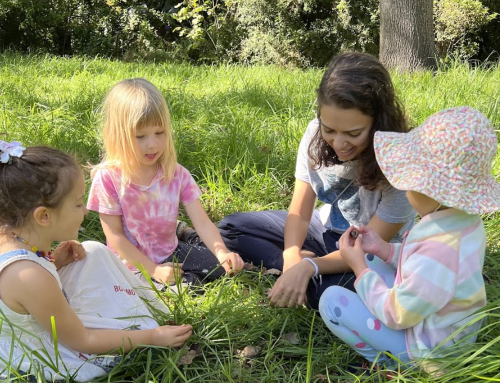
A forest-school guide to teaching kids campfire safety at home — 10 age-appropriate steps (ages 3–5 and 5–10), each with a simple activity, so children learn to respect fire rather than fear it. Complete with downloadable PDF checklist.
The crackle of a log. The whisper of a blue flame. There’s a reason why we’re drawn to flame – or what we call ‘bush tv’ here in South Africa. Our relationship with fire is older than the ones we’ve developed to technology, to agriculture, even to the wheel. It’s part of all our basic ancestry — where gathering for stories, for warmth, for cooking, and for each other was part of survival.
While it’s totally natural to want to pull your little kid away from the fire, to keep the safe, our approach at forest school is to raise children who know how to be with the fire instead — respectfully, confidently, safely.
And they learn that from watching us. Here are our 10 simple, age-appropriate ways to build that comfort and respect at home so that your next braai can be a stress free one.

Ages 3–5: Nurturing Fire Familiarity
Watching, Naming, Feeling Safe
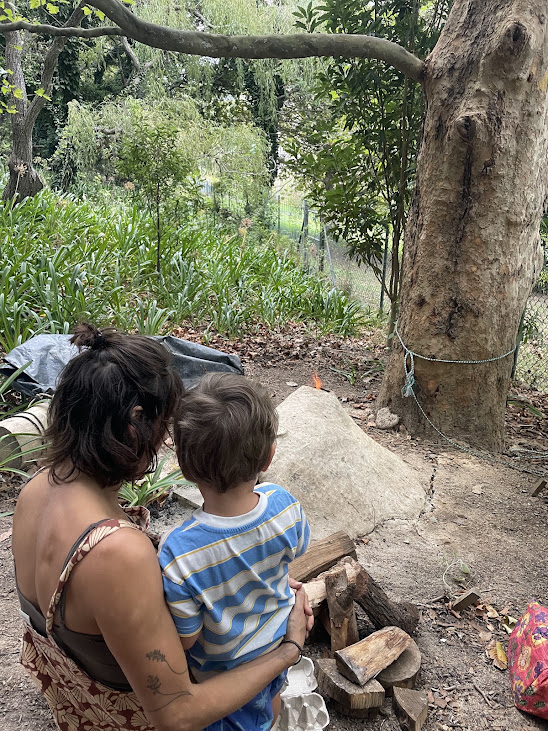
Your instincts at this age may still be to keep them well away from the snapping logs, hot coals and flames but they will get more “protection” from fire by being near you around the fire.
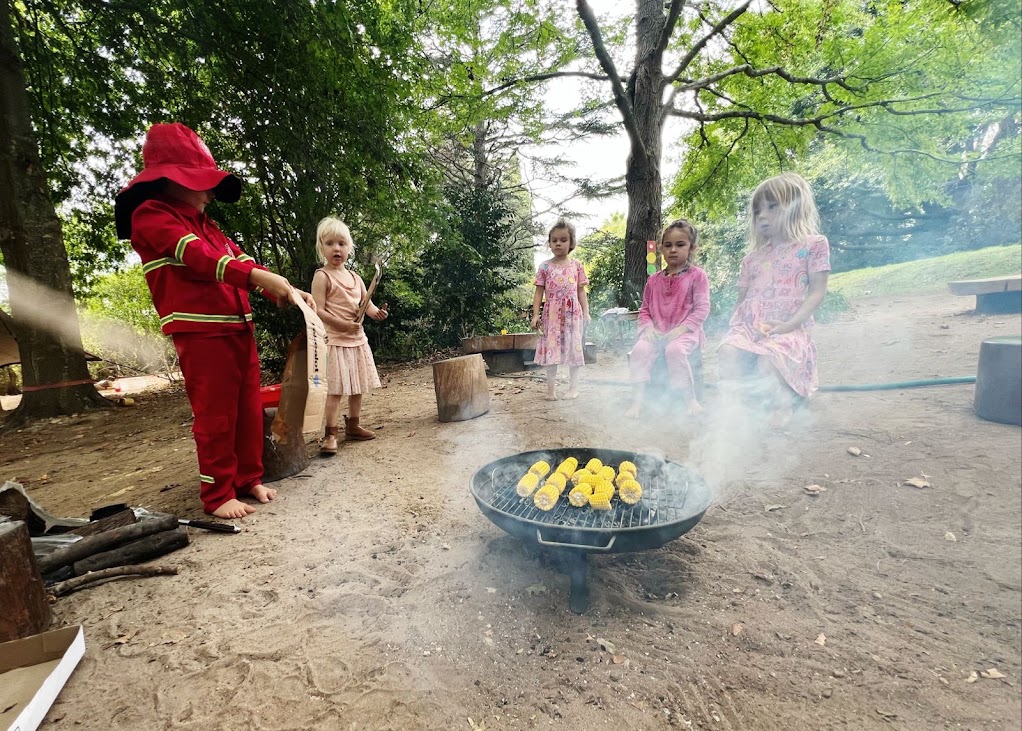
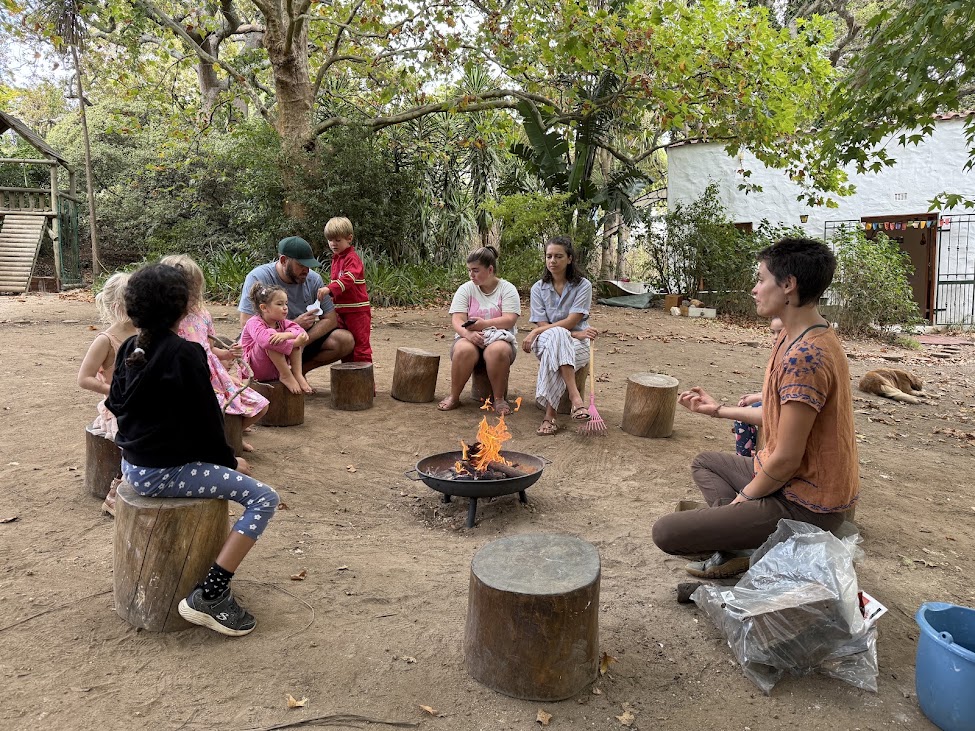
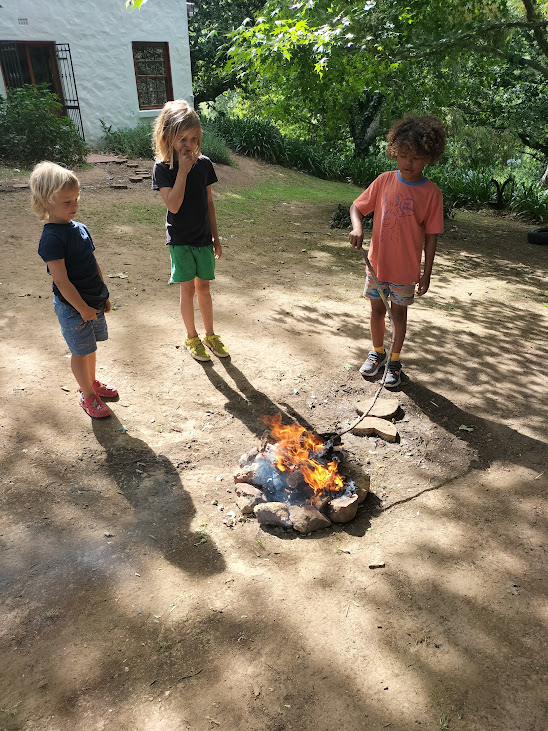
Of course, at this age, the goal isn’t participation — it’s familiarity. Young children, like the 3-5 year olds in our Discoverer Groups, build comfort by observing calmly, from a safe distance, with an adult narrating what’s happening. And there are plenty of ways to involve them in the ceremony of fire. Because whether you believe in ritual or not – there is definitely ceremony around fire.
1. Give fire its own “container” & the kids a “safe seat or zone”
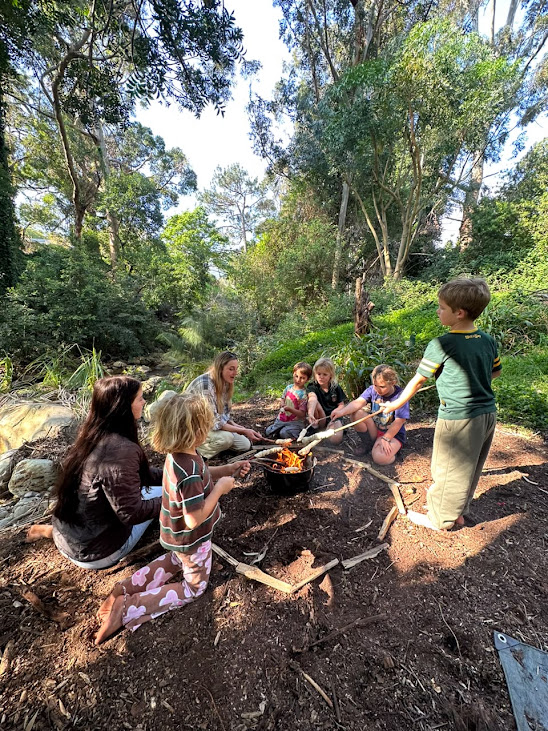
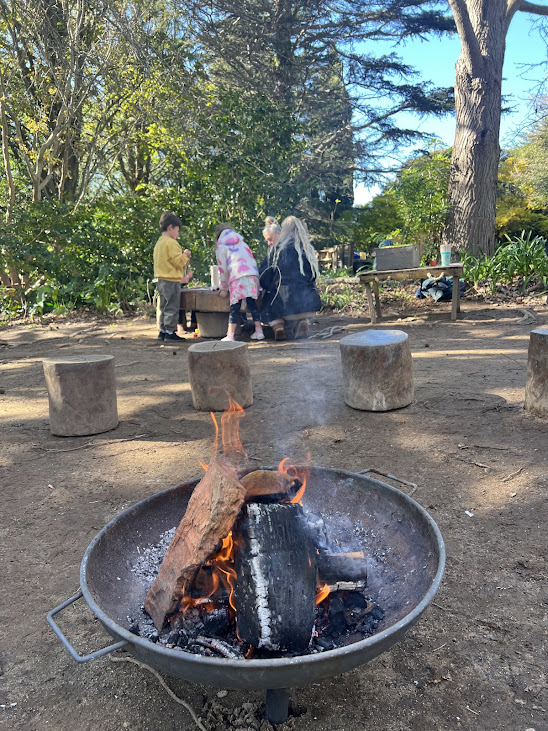
Establish a physical boundary — be that stones packed around the fire, a circle drawn in the sand, show your kids that inside that circle is where fire & heat lives.
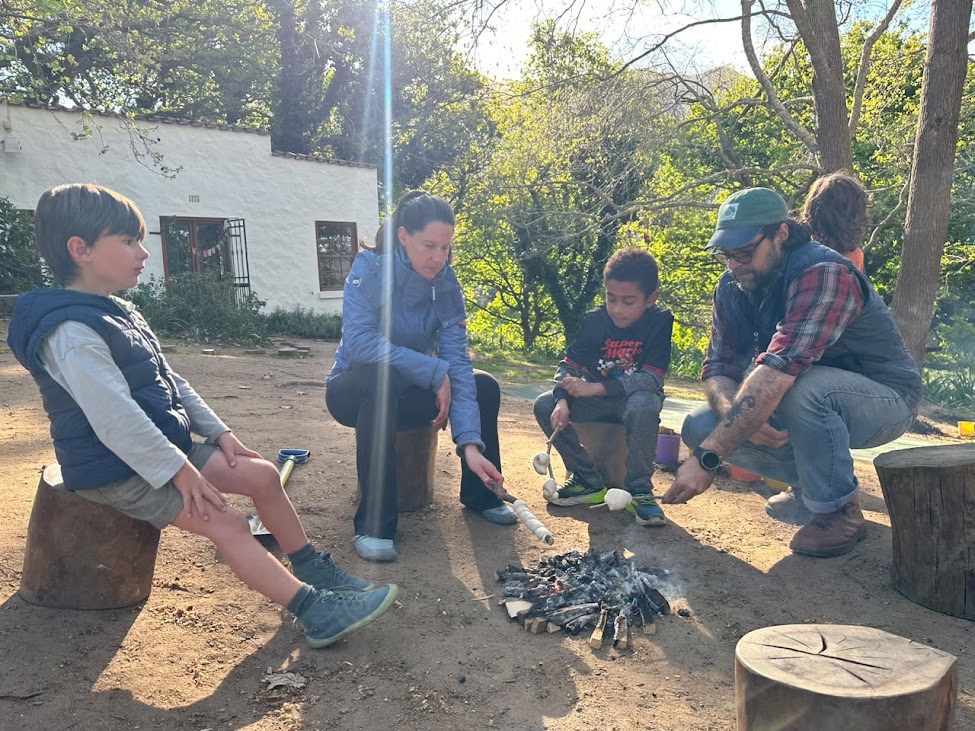
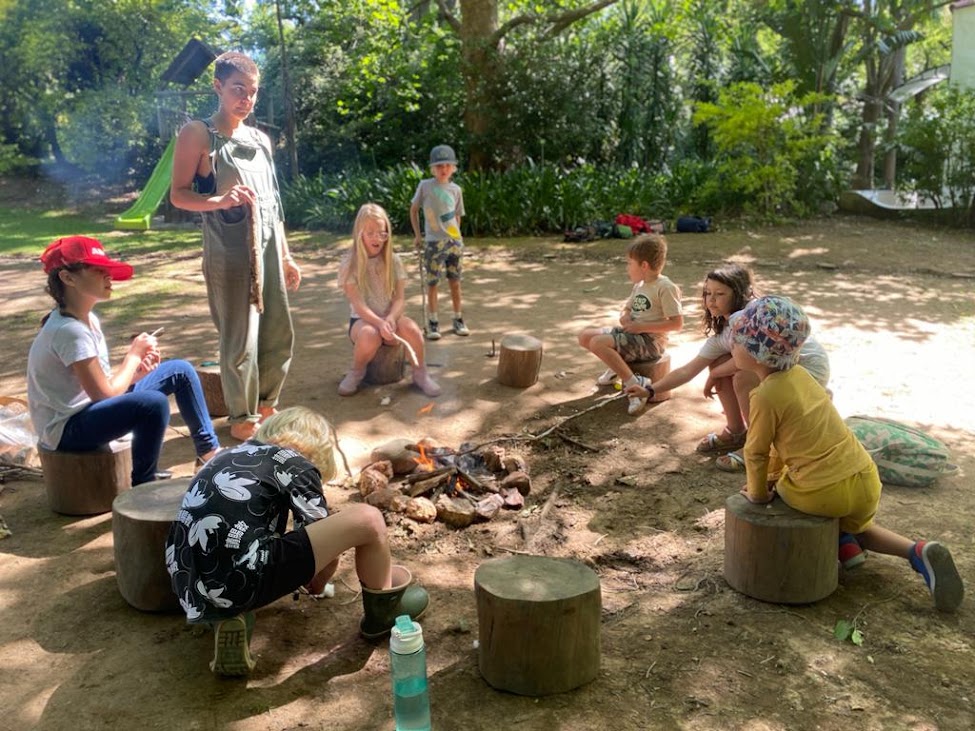
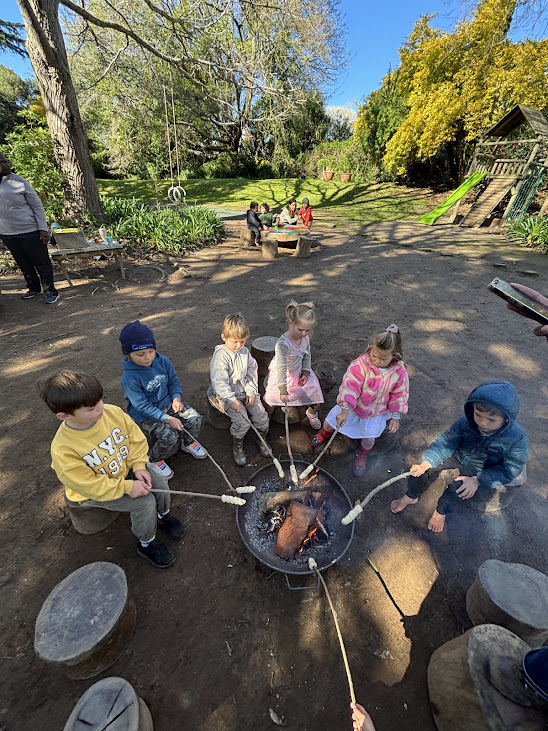
Next create a safe zone — a designated mat, or logs they can sit on that marks “this is where we sit near the fire.” At Forest House we use big stumps that the kids can sit on and always only walk behind not in front of. Consistency & predictability builds security.
Activity:
Let your child choose or decorate their own “fire seat” (a painted stone, a cushion) so the boundary feels like theirs, something they are proud to have co-created, not a rule imposed on them.
Observation prompt:
Notice if they test the boundary — that is of course normal, it’s curiosity at play, not defiance. Calmly reinforce it each time rather than reacting with alarm.

2. Narrate what fire needs
Talk them through the basics in simple language: fire needs air, food or ‘fuel’, and a spark — and it needs us to look after it by feeding it and tending to it.
Activity:
“Feed the fire” together with small, dry sticks they hand to you one at a time.
Observation prompt:
Watch their hand placement — this is a good early read on whether they understand “near” versus “in.”
3. Name the senses
Encourage them to describe what they notice — the crackle, the warmth, the smell of smoke — without touching.
Activity:
A simple “I see, I hear, I smell” game sitting at a safe distance in their spot. This teaches them how much is involved in just ‘being’ near fire.
Observation prompt:
Sensory engagement from a distance is a strong sign they’re ready to sit calmly closer next time.
4. Practise “stop” together
Before ever being near a real fire, practise a calm-but-firm stop signal (a word or hand gesture) in low-stakes play, so it’s already familiar when it matters.
Activity:
Play a simple “freeze” game in the garden or camp grounds using the same stop signal you’ll use near fire.
Observation prompt:
Does the signal actually get an immediate response in play? If not, it needs more practice before fire is introduced at all.
5. End with the fire, not just start with it
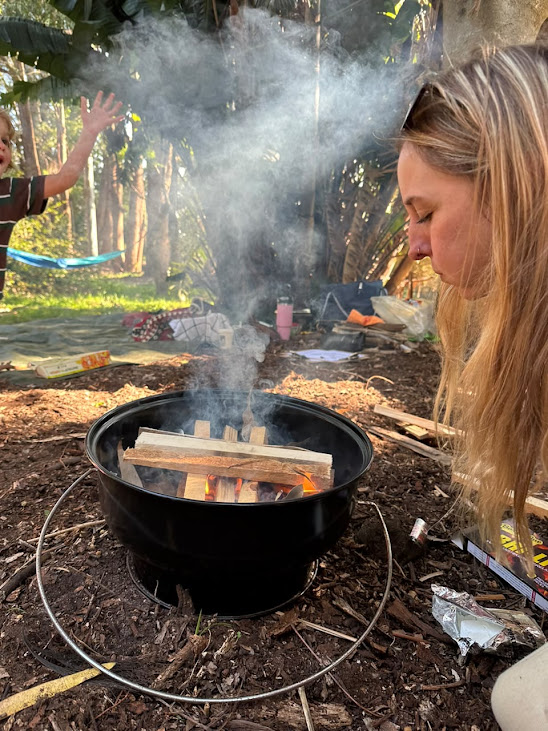
Involve them gently in the ending — watching an adult safely extinguish the fire, seeing the smoke, understanding it’s now “sleeping” or “out.”
Activity:
Let them help pour the water toward the end (with your hands over theirs) and watch the steam.
Observation prompt:
This closes the experience with calm, not abrupt removal — helps prevent fixation or repeated requests to “see the fire” afterward.



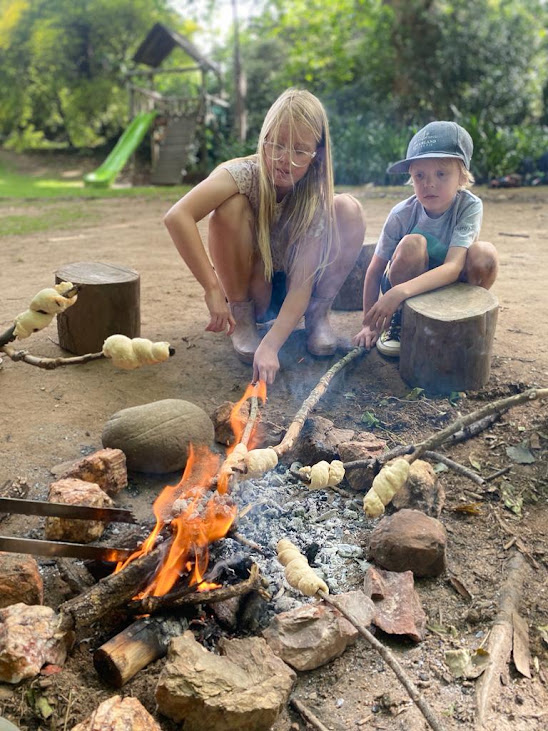
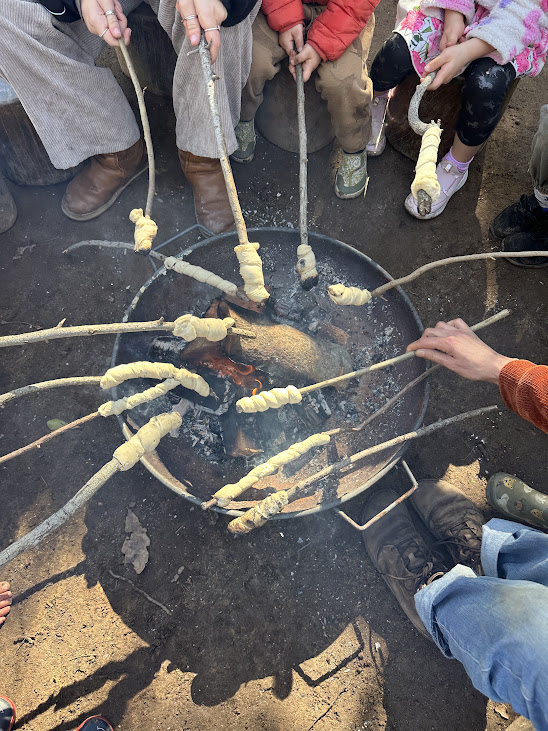
Ages 5–10: Cultivating Fire Appreciation
Understanding, Participating, Building Skill
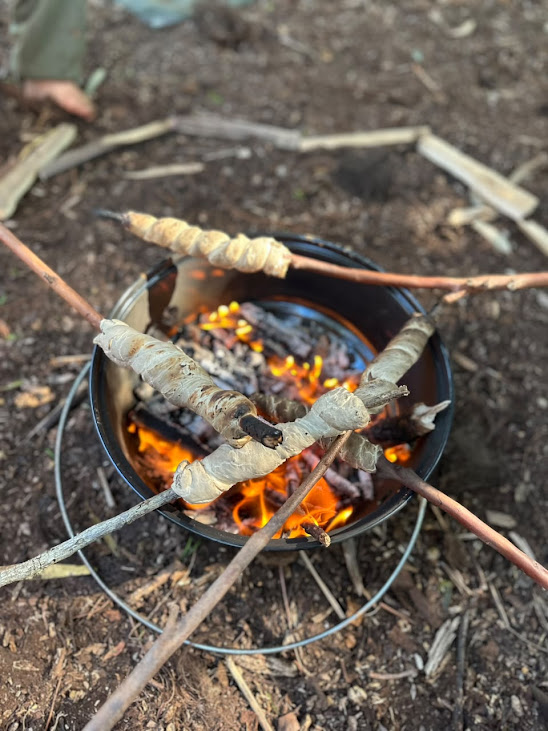
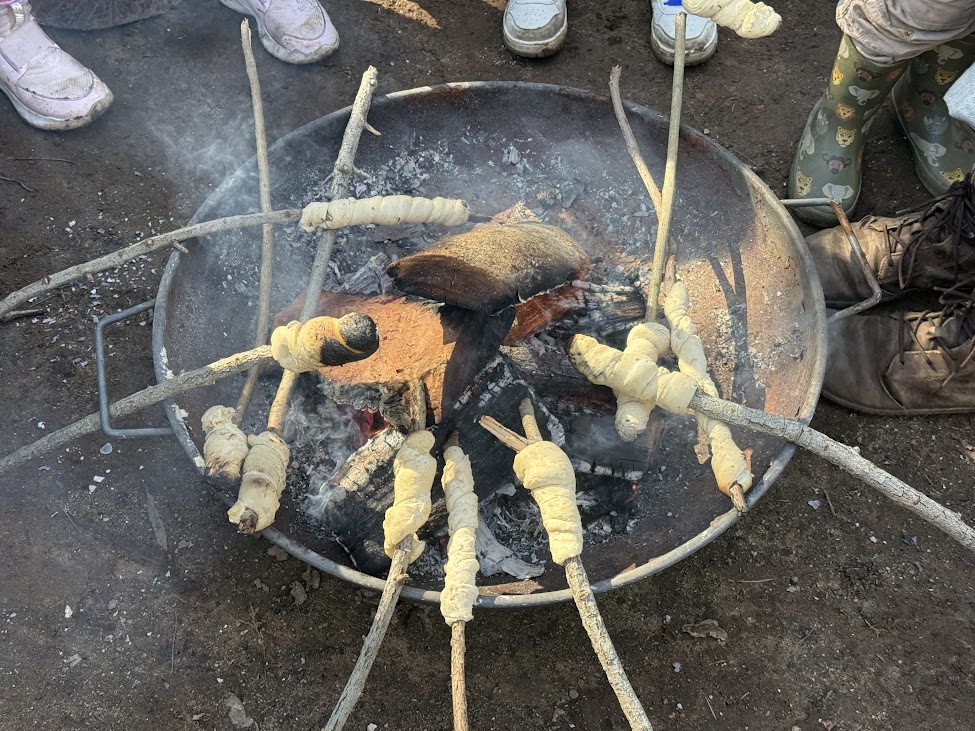
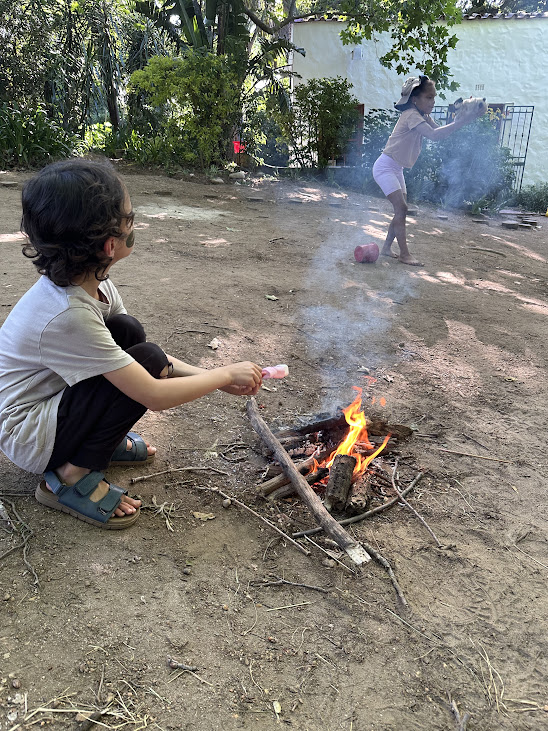
Older children, like those who attend our Adventurer Groups for 5-10 year olds, are ready for real involvement — under close supervision — because responsibility is often the thing that satisfies their pull toward risk, rather than fighting it.
6. Teach the fire triangle
Explain air, fuel, and heat properly — this age can grasp why fire behaves the way it does, not just that it does.
Activity:
Experiment with what happens when you starve a small, supervised flame of air (cover briefly, uncover) to see it respond.
Observation prompt:
Do they ask “why” questions unprompted? That’s a good sign they’re ready for more hands-on steps.
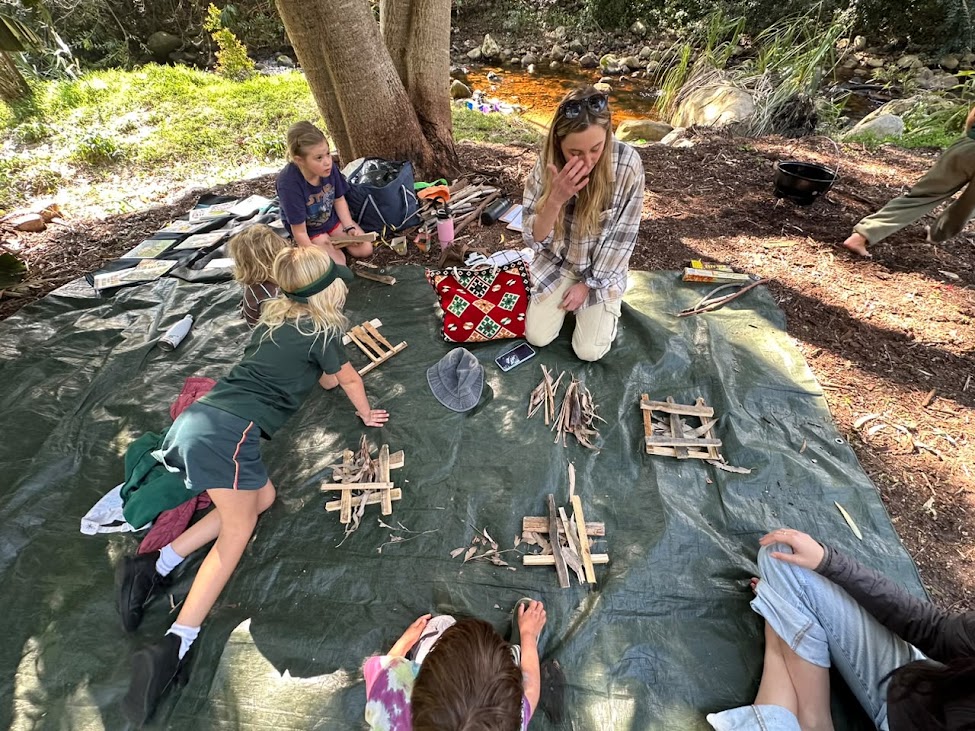
7. Let them lay the kindling
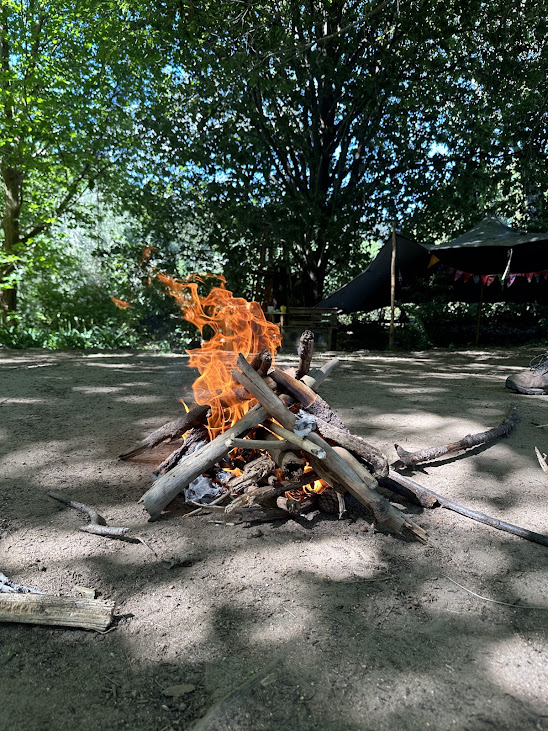
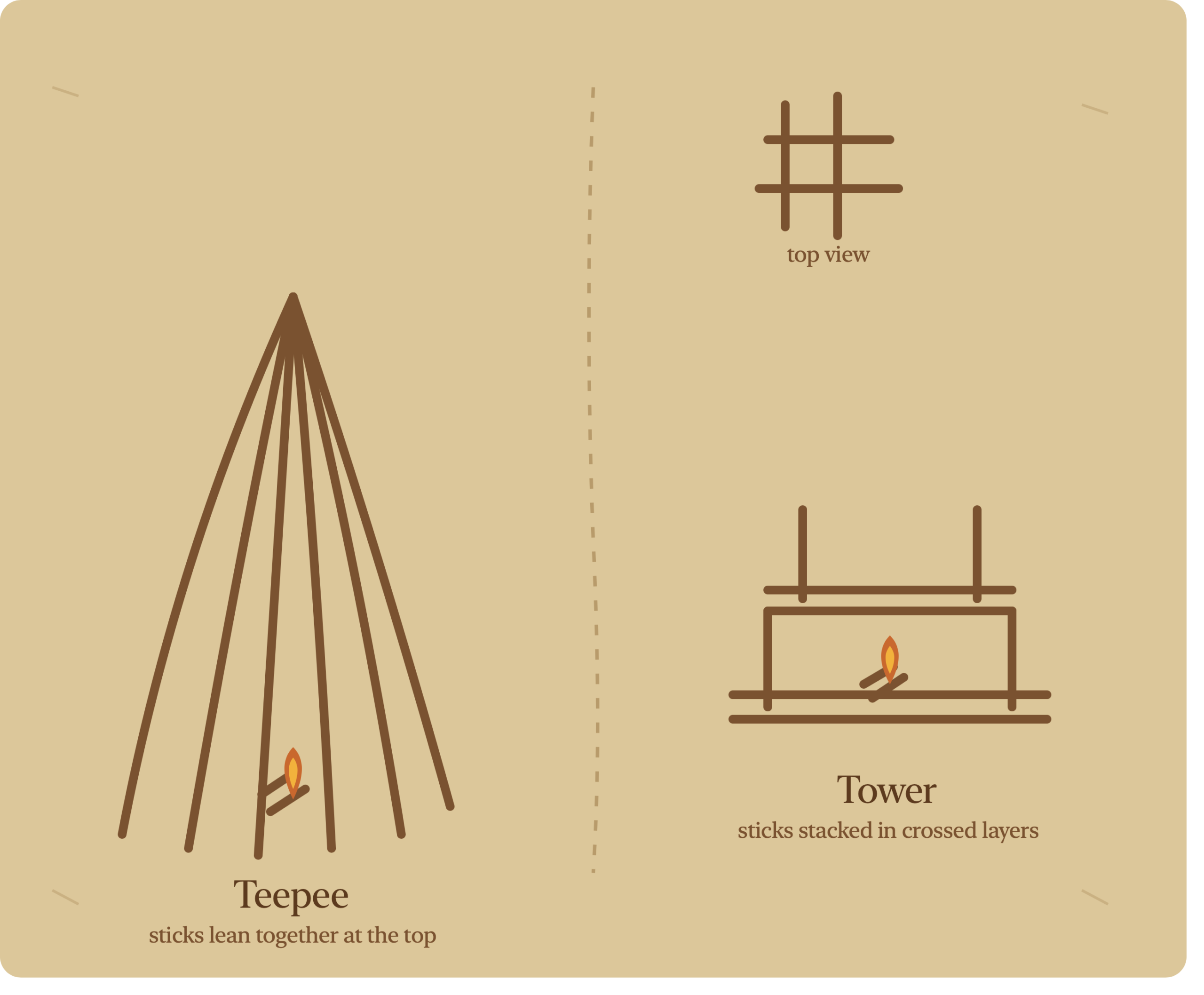
Teach the tepee or tower (in Afrikaans it’s often called a ‘vark hok’, pig sty) structure and let them build it themselves before it’s lit.
Activity:
A “build it, check it” routine — they build, you both inspect together before lighting.
Observation prompt:
Watch their patience with the structure — rushing or frustration here often means they’re not quite ready for lighting the match yet.
8. Supervised striking
With very close, hands-on supervision, let them strike a match or use a firesteel — one of the most confidence-building steps in the whole process.
Activity:
Start with a firesteel over a match, as it demands more controlled technique and less risk.
Observation prompt:
This is a high-focus moment — their concentration level here often tells you a lot about their overall readiness for other supervised risks too.
9. Give them a real job
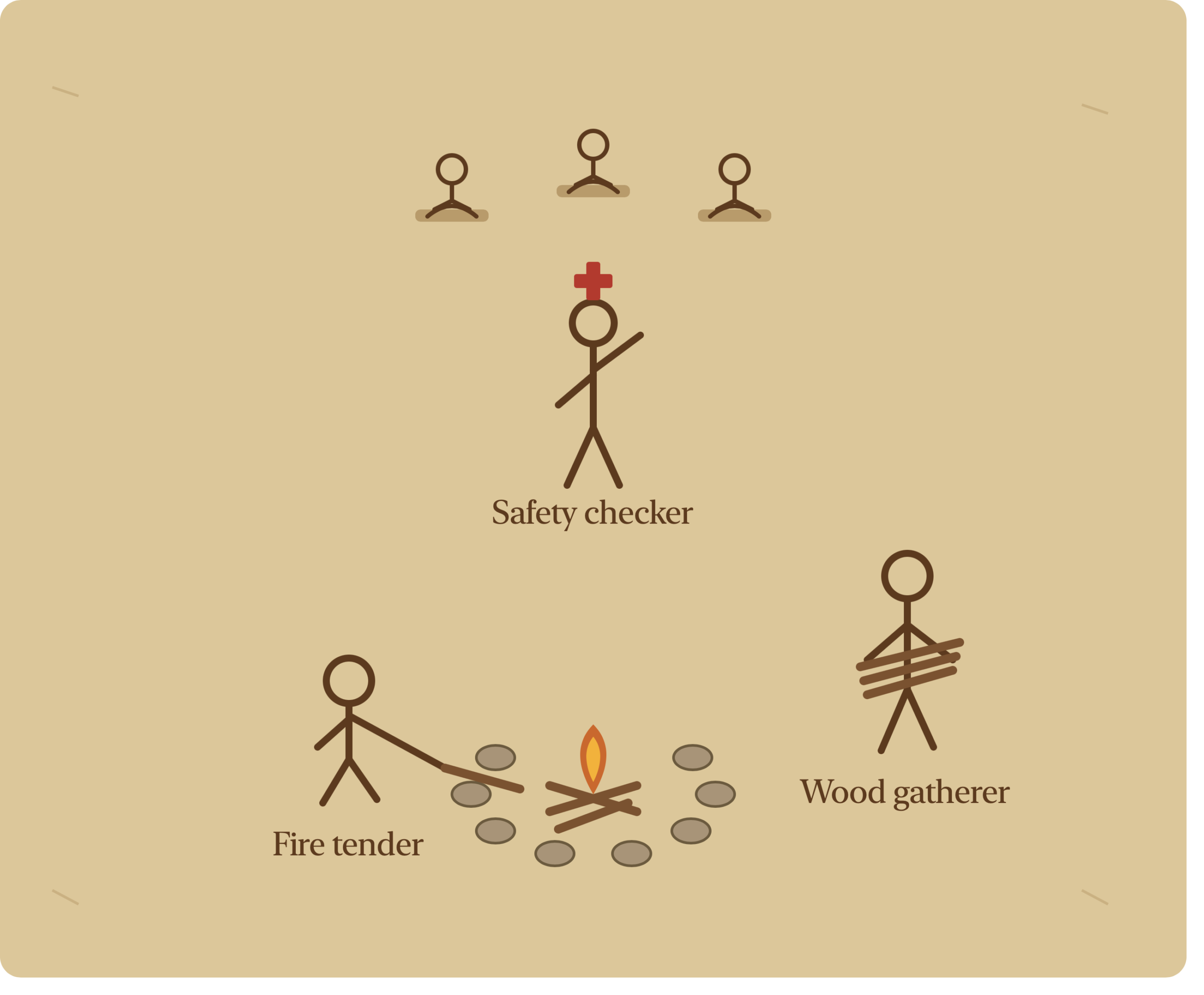
Assign an ongoing role — fire tender, wood gatherer, safety-checker — something with actual responsibility, not busywork.
Fire tender – works with long pliers or a long big stick to push the burning logs closer together. Make sure this child isn’t wearing any long dangly clothing and hair is tied up.
Wood gatherer – scouting for small fallen twigs, branches or pine cones for kindling or stacking the big logs nearer the fire to dry out. Always make sure to reinforce that we never break or hurt plants for fire, we only take fallen, dry branches that are already dead.
Safety checker – this child gets to make sure there is a full water bucket near by, that all other kiddies are outside of the safe fire boundary zone and guides them in observing the senses game in their safe seats instead of rough play.
Activity:
A “fire tender” rotation if you have more than one child, so each gets ownership on different days.
Observation prompt:
Responsibility often reduces reckless behaviour dramatically — notice if their carefulness increases once the fire is “theirs” to manage.
10. Teach them to put it out — properly
The full extinguishing process: water, stir, check for heat, water again. This is often skipped, but it’s one of the most important safety lessons.
Activity:
Let them lead the full extinguishing routine, checking with the back of a hand (held well above, never touching) for remaining heat.
Observation prompt:
Do they double-check without being asked? That’s the moment you know the caution has genuinely landed, not just the enthusiasm.

Fun around fire safety
You know the lessons have landed when you as the parent feel a little more relaxed with your kids around the fire and also proud of how they are integrating their roles and reverence for fire.
Teaching them that without fire we would never have been able to cook hot food or invent many other things helps kids build respect for fire’s gifts to humans.
Fire safety afterall is a skill passed down, our human legacy, not a rule imposed — every step above is really just handing them a small piece of something much older than either of us.
It’s important to remember that kids who are comfortable around fire doesn’t mean they’ll be careless — a child who understands fire respects it more, not less.
This is exactly how we build fire confidence at forest school and have seen many kids “graduate” toward confident fire keepers.
Get our easy and free downloadable fire safety checklist to help your little ones gain confidence around campfires this summer.
We’re happy to answer any questions you may have on how to help your kids gain confidence around building and honouring fires.