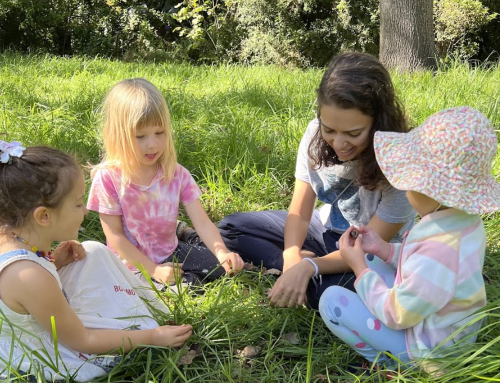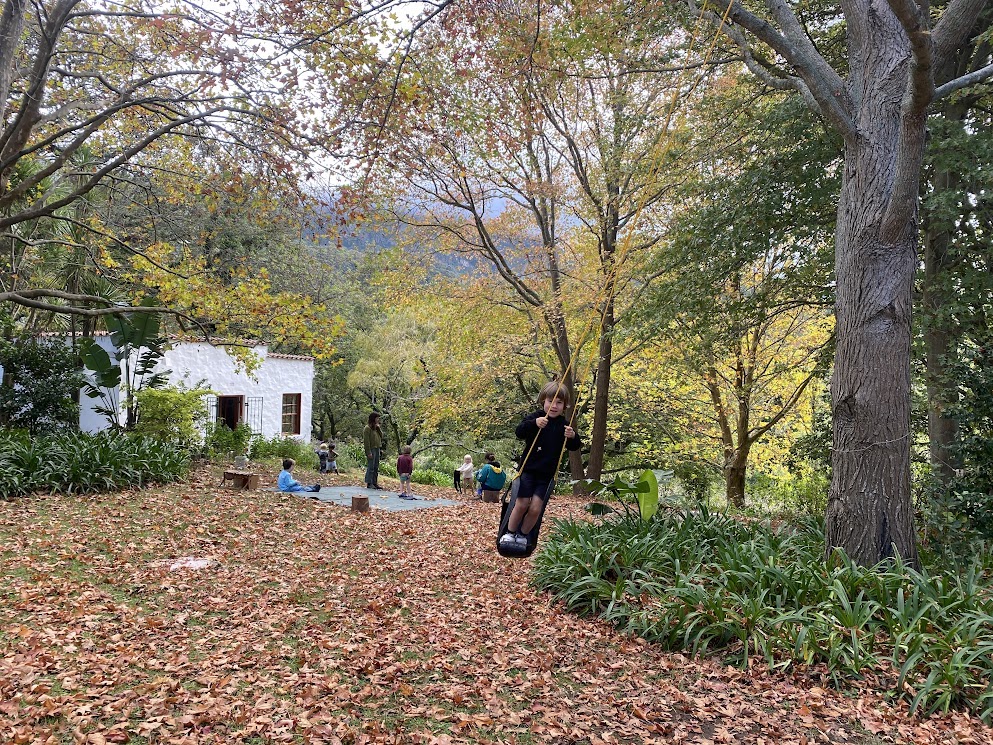
It can be tricky to choose the right playgroup or playschool for your little one. So many questions rummage through your mind. What will their day look like? What will they learn? How will they learn? What if they don’t enjoy the style of activities? Will this playgroup’s average day suit my unique little one’s needs? To help you get a better idea of how our playgroup at Forest House unfolds, we’ve outlined ‘a day in the life of Forest House’ along with developmental reasoning behind why we structure our days this way.
Each day at our forest school is a unique journey of discovery. Our program is designed to nurture the natural curiosity and love of learning inherent in all children.
Circle Time
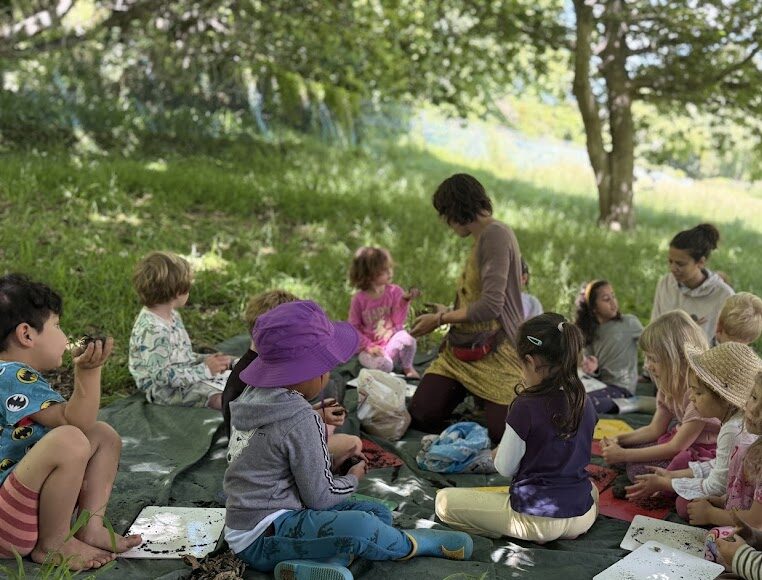
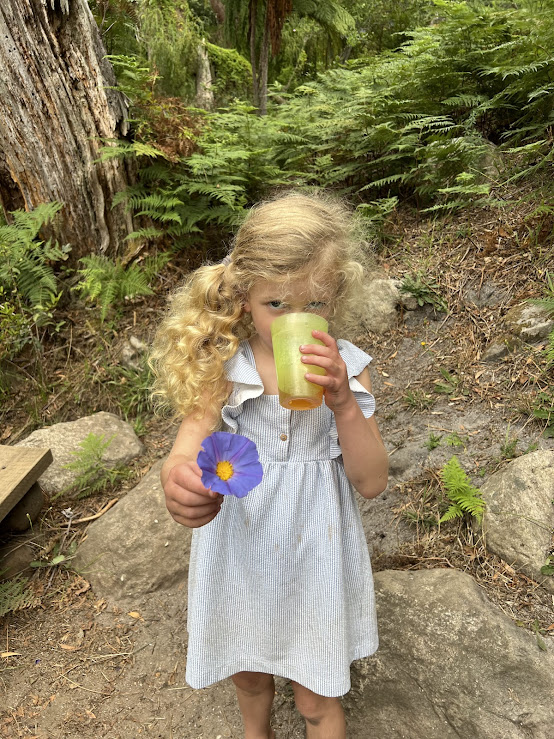
We start the morning, after all goodbyes have been said and bags are on their hooks, with movement, music, and mindfulness to foster a sense of community and prepare for the day’s adventures.
These rituals help 3-5 year-olds develop self-regulation and social awareness—essential skills as they learn to navigate group settings and manage their emotions. Routine also helps foster a sense of security in the predictability and all little ones love music and movement – it’s great for settling big emotions.
Forest Exploration
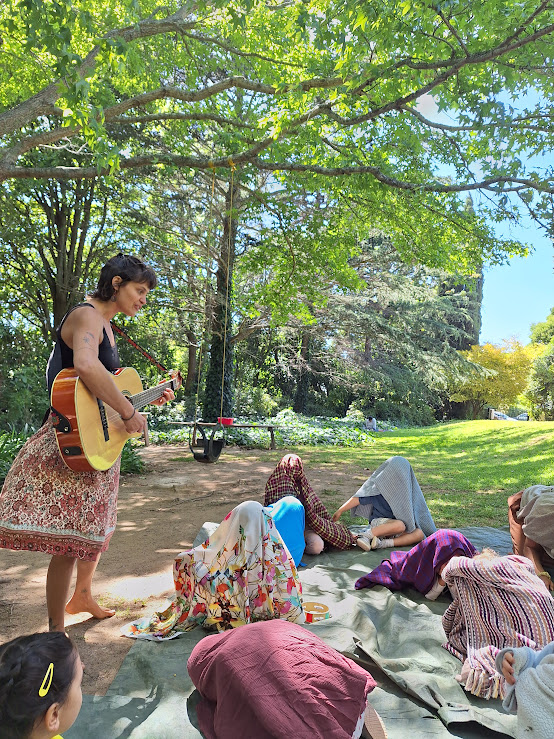
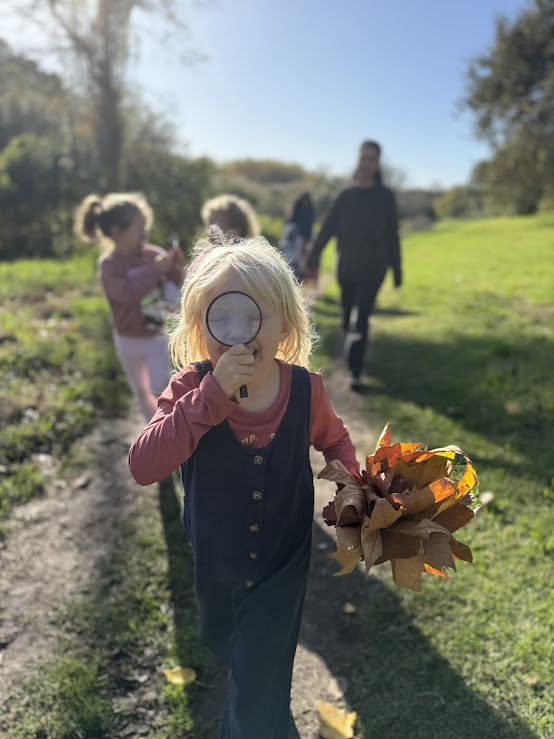
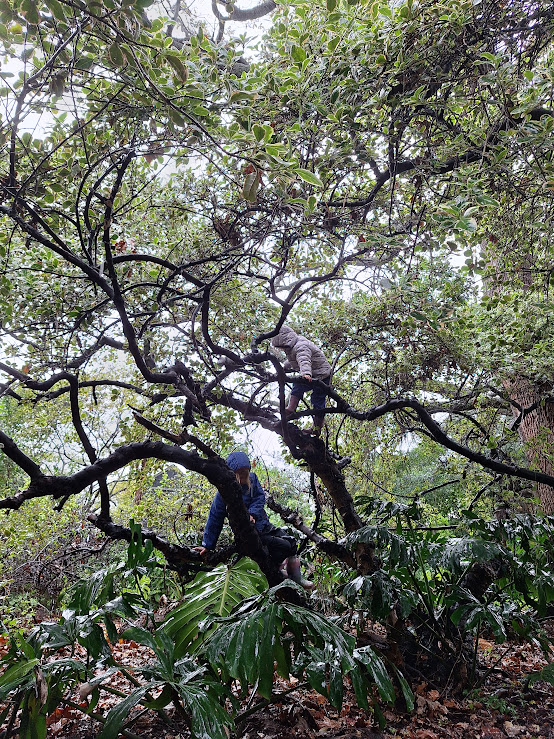
Children immerse themselves in nature through a balance of free play and guided activities tailored to their interests and developmental stages. Unstructured outdoor play builds gross motor skills, spatial awareness, and risk assessment capabilities that are crucial during these formative years.
Too much of modern life offers structure around every corner – and finding your interests is all part of the adventure of growing up and helps them develop a rich sense of self confidence. For little ones that curiosity looks like standing hunched over a funny looking bug in the bushes for ages, or gathering leaves and sticks for the morning’s activity and maybe getting snagged on a branch. How will they handle it? It’s all part of growing up outside of classrooms!

Creative Exploration
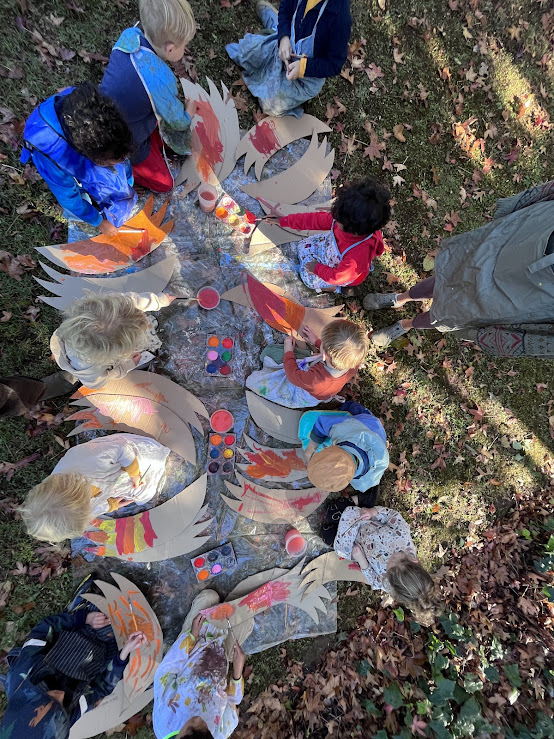
We stimulate imagination and critical thinking with hands-on projects inspired by our outdoor experiences.
Open-ended creative work strengthens fine motor control while allowing children to problem-solve and express ideas they may not yet have words for.
One of our very memorable activities is having the kids lie down on big sheets of brown craft paper, and, helping each other, they trace their body outlines on the paper and then draw and fill their paper body with shapes, motifs and colours and nature textures in the places where their tummy is, their heart is, their throat is, their lungs are. Not only does this give them the opportunity to learn about their bodies a little, but also to externalise how they may be feeling. What colour is being a little afraid, or what texture is ‘sad’, or what leaf looks like being ‘too shy to talk to new friends’.
It’s important and soothing for little kids to have ways of expressing themselves even though they don’t yet have language or cognitive reasoning for these states of being. Connecting to self through emotion and inspiration is the beginning of creative ingenuity.

Story Time & Refreshments
We wind down each day with storytelling and wholesome treats.
This quiet transition helps young children practice listening skills and begin to understand narrative structure, while also signaling that learning has rhythms of activity and rest. We actively involve the kids in the making of tea or lemonade or cooking. They are part of the process.


Child centred learning & early school prep
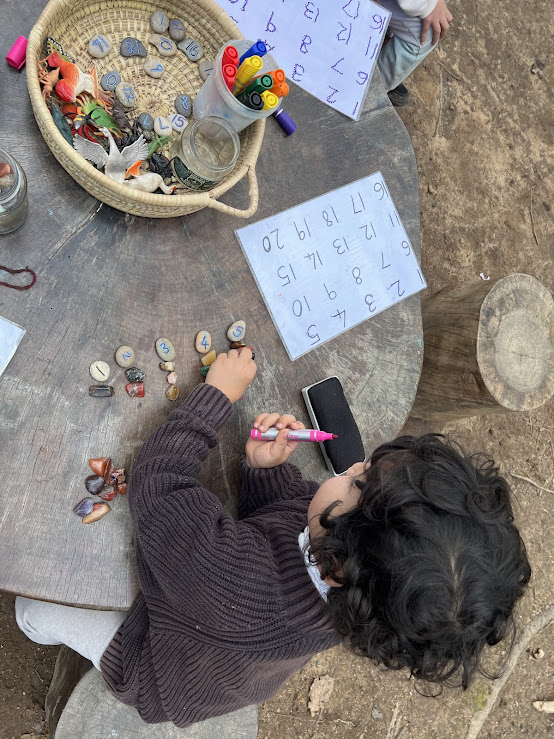
Our curriculum is built around your child’s individual needs and passions. We believe that spending quality time outdoors, exploring nature, and engaging in creative play is essential for holistic development. Children develop better cognition through experiential learning, engaging their whole bodies and senses—making abstract concepts like counting pinecones or describing leaf textures both concrete and captivating.
We also get them curious and interested in learning numeracy and literacy from a young age. As with all topic introductions we do this through a play based approach, ensuring it is always experiential and age appropriate. That’s why our group is small, a maximum of 16 kids, so that we can work individually and in smaller groups according to age and interests.
Remember little ones are just that – little. All of life is brand new to them. And we cherish the opportunity of guiding them gently into the ways of the world in a manner that honours their whole selves and the gentle spirits they came into the world with.
If a day in the life of Forest House playgroup sounds like the kind of childhood and early life educational foundations you’d like to give your child, please get in touch to book a playschool visit. We’d love to welcome you under the great big oaks!