Your tiny human is growing up fast and you may be wondering “when is my child ready for playgroup?”
Before you dive into research which is the best playschool in your area, it’s wise to assess their readiness for playgroups. Luckily “readiness” isn’t an arbitrary age determined cut-off. It can be easily observed by their primary carer by noticing developmental markers and emerging capabilities.
Here are five research-backed indicators that your little one may be ready to thrive in a group setting.
1. They Show Interest in Other Children
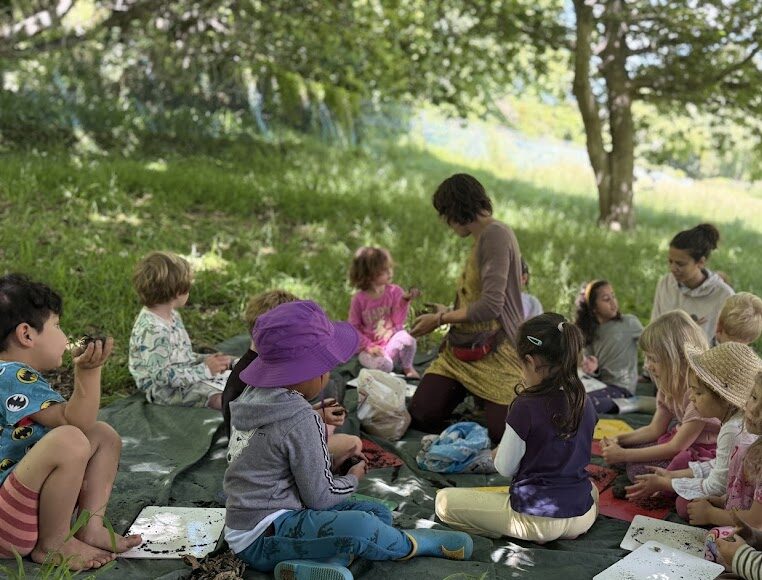
Around 18-24 months, children begin what’s called ‘parallel play’—playing alongside other children their age rather than alone. Research shows this marks a crucial social milestone, indicating readiness to benefit from group environments. If your child watches other children with curiosity or attempts simple interactions, they’re developmentally primed for those early playgroup experiences.

2. They Can Separate from You (Even Briefly)
Healthy attachment doesn’t mean constant proximity. Studies on secure attachment reveal that children who’ve formed strong bonds with caregivers can tolerate brief separations without becoming distressed. If your child can engage with an activity or trusted adult while you step away momentarily, this “secure base” foundation sets them up well for successful playgroup transitions.


3. They’re Exploring Independence
The toddler’s drive for autonomy—”give me”, “me wanna!”, “ I do it”—signals cognitive and emotional growth. Montessori research emphasises that children naturally seek independence when they’re developmentally ready. If your child is eager to attempt self-care tasks like trying to dress themselves or pouring water (however tediously slow or messily), they’re ready for environments that honor this emerging capability. Playgroups should build on and foster small tasks of independence, but it can’t be forced, the initial willingness must be there.
4. They Communicate Needs and Feelings
Effective communication doesn’t require full sentences. Research in early language development shows that children who can indicate needs through words, signs, or gestures like pointing are better equipped to navigate group settings. If your child can express “more,” “help,” “mine,” or “no”—verbally or non-verbally—they possess vital tools for playgroup success. Above this, if they can already indicate to a carer when they may need to use a bathroom, they’re well on their way to playgroup readiness.
5. They Show Sustained Interest in Activities
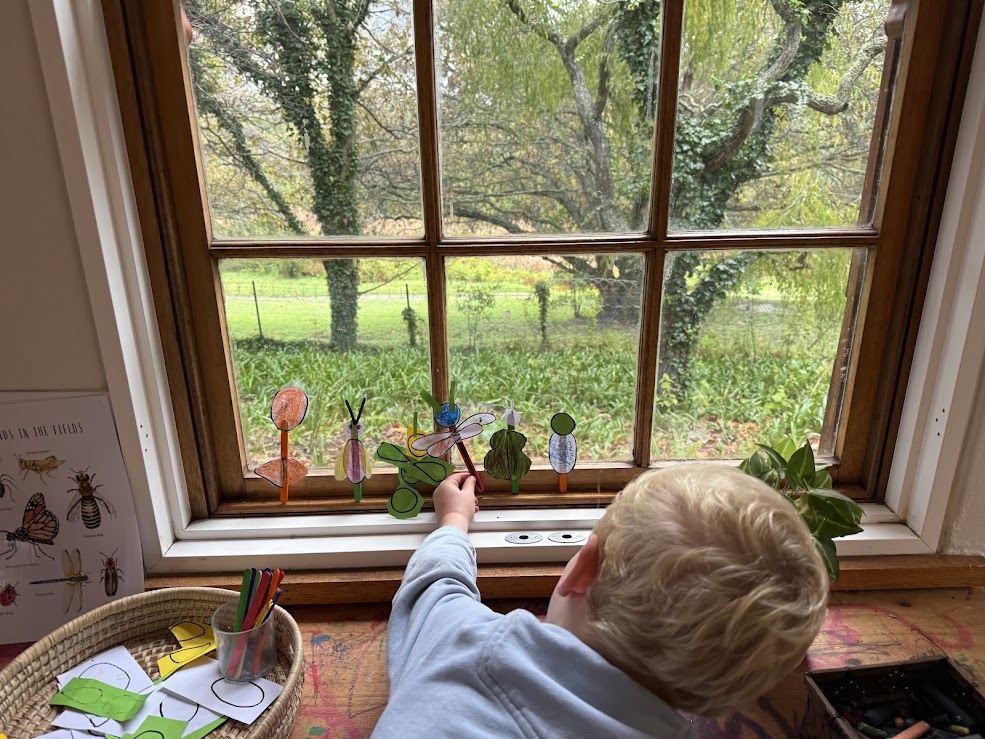
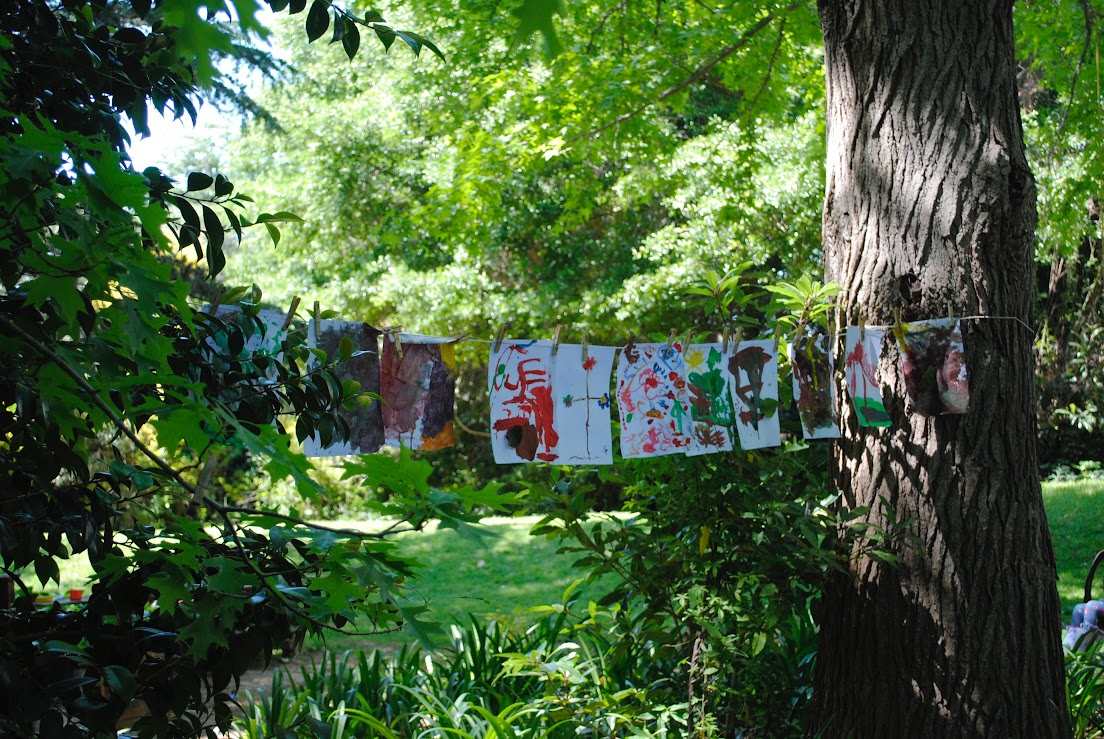
Reggio Emilia approaches emphasise following the child’s natural attention span. If your child can focus on self-chosen activities for 5-10 minutes—be that playing with building blocks, intently studying leaves, painting—they demonstrate the concentration needed to benefit from rich playgroup experiences. This isn’t at all about sitting still in a chair; it’s about engaged exploration, whether self directed or guided by a facilitator.

The Forest School Difference
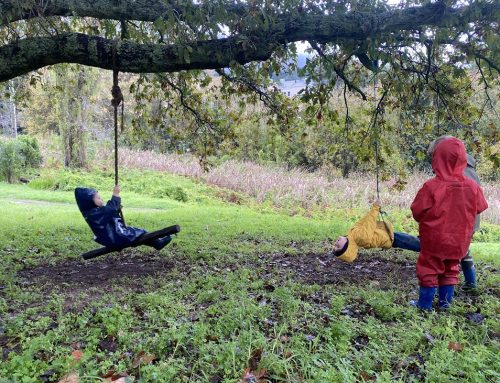
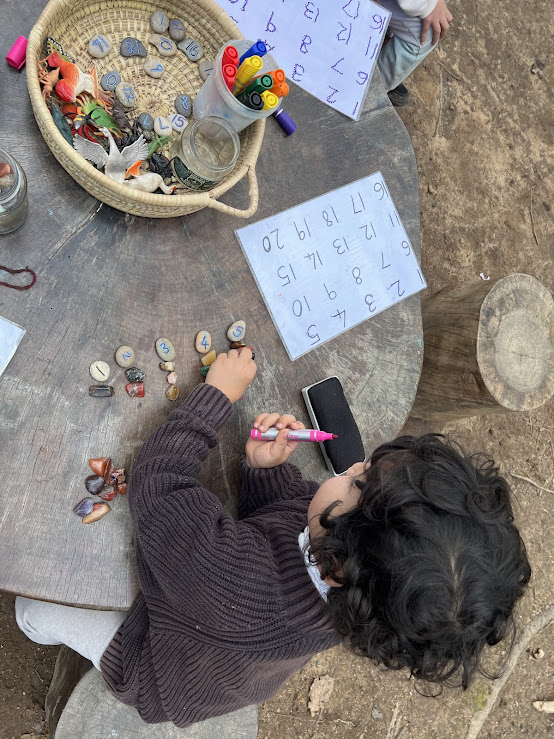
While these readiness signs matter, Forest School offers something transformative that traditional playgroups often cannot: boundless space for childhood itself. Within four walls, even the most thoughtfully prepared playgroup classroom constrains energy bursts— movement, volume, and instinct to move, jump and run.
Forest schools don’t compromise on this developmental need.
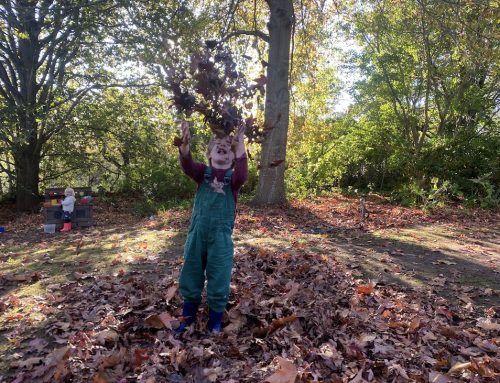
Here, your child’s readiness isn’t measured by their ability to conform but by their capacity to wonder. They don’t learn to sit still—they learn to climb, balance, and test their bodies against the honest feedback of the natural world. They’re not required to consistently moderate their voices—they are given the opportunity to holler and listen as sound carries through trees or across grassy slopes. Most crucially, forest school preserves what matters most: their wildness, their curiosity, their sacred right to simply be children under open sky.
Just because they’re ready for playschool environment and activities doesn’t mean they should enter these spaces at the behest of unconstrained, richly immersive play environments. They should have both! And at Nature Plays Forest House Playschool they can.

We open enrolments from age 3 upwards (or almost 3) to our Forest House playgroup and are happy to support you in coming to explore Forest House with your little one and assessing their readiness together. If you feel your child is not ready yet for playgroup but would still like them to benefit from outdoor exploration through p;ay and engaging with little ones, our Explorers group takes children and their parents/carers from 2 years of age.