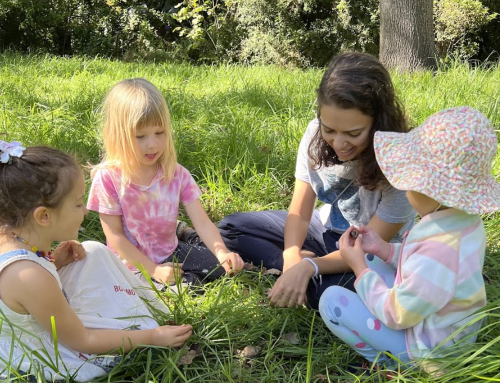
Our children’s minds are like truth serum for the society we live in. Their output directly reflects their most prolific input. So let’s start with an intriguing test. Ask a child to name 5 birds, then 5 brand logos.
As you may be apprehensively guessing, the likely outcome is that most children will recognise more brands than birds. A child’s upbringing has no business bringing them into contact with brands and they should therefore be well versed in the names of their outdoor kin.
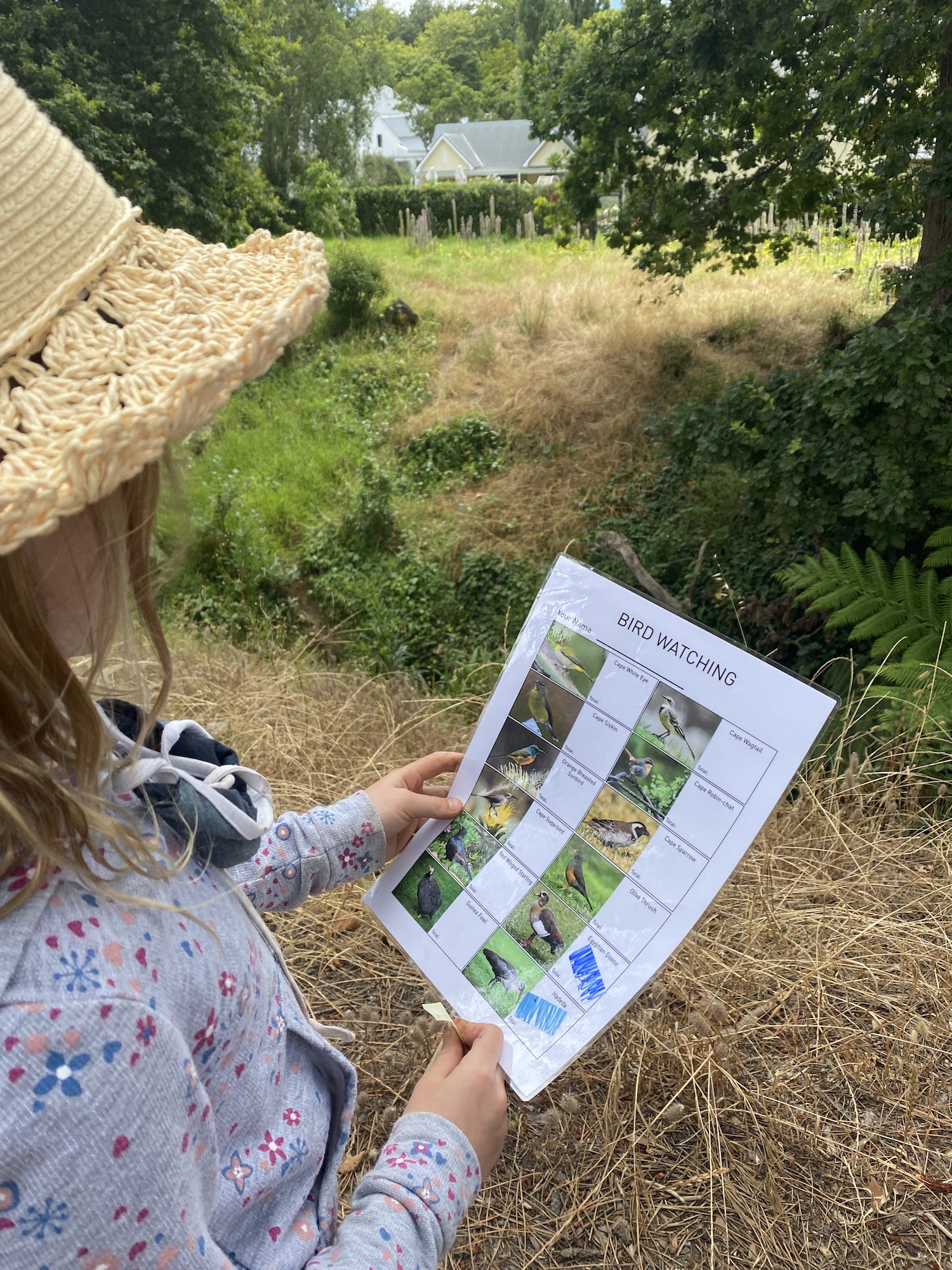
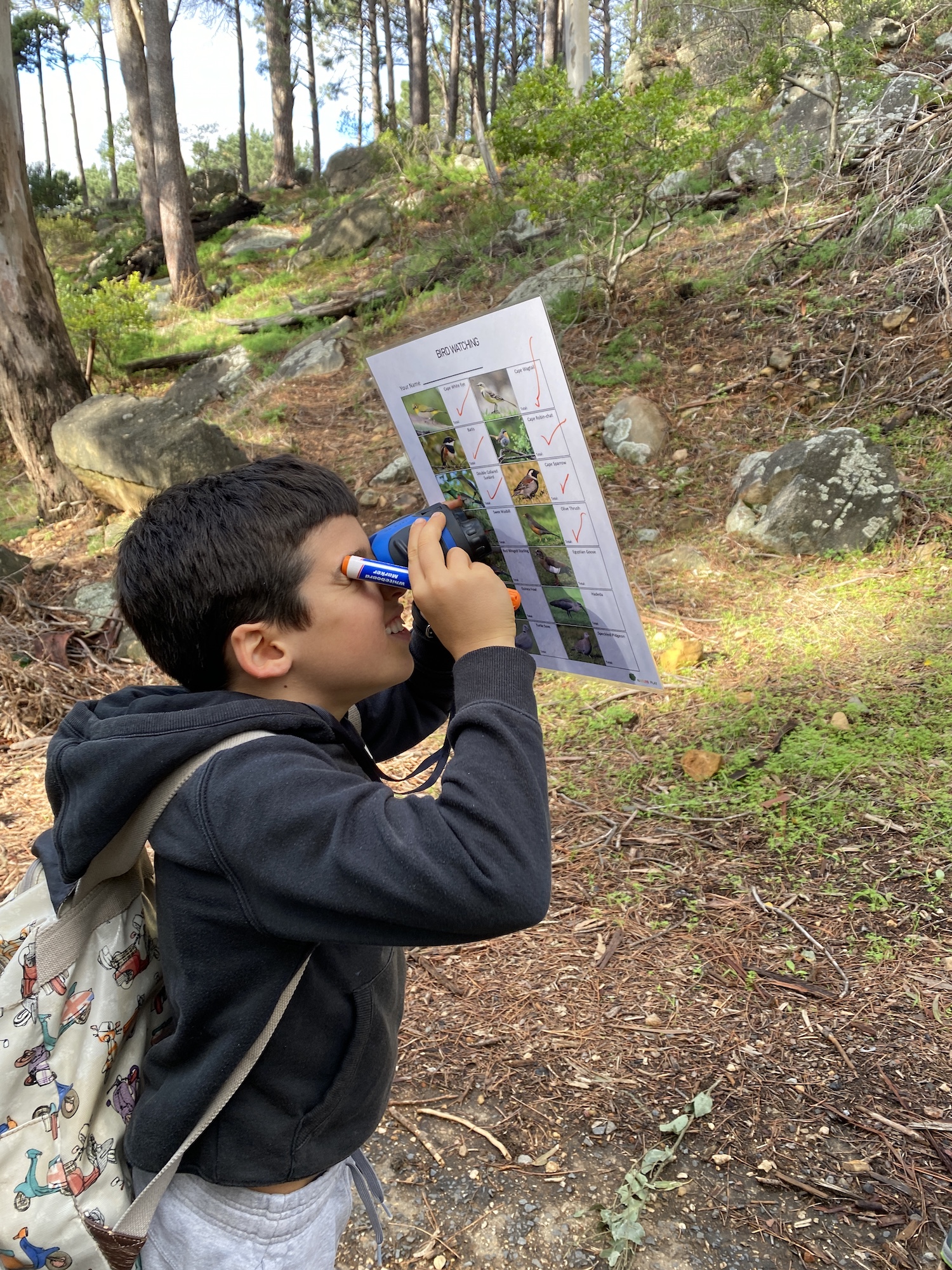
Even in our inner city neighbourhoods and gardens, most children encounter at least 5 different bird species. The vast majority know only “it’s a bird”. What this illuminates quite strikingly is that children are undergoing an “extinction of experience”, a concept unpacked by author Christine Rosen as she investigates the cultural and emotional shifts that go hand in hand with our embrace of technology. In her book she posits that a multi generational disconnection from nature creates cycles of environmental apathy.
But what are we really losing when children can identify the black and green arcs of Spotify faster than the olive belly of a Cape White Eye?
The Brand Recognition Phenomenon
Research has shown that children as young as 2-3 years recognise brand logos with ease with the modern child likely seeing over 40 000 adverts per year. And these findings came out before the landslide advent of YouTube, tablets, streaming platforms and fragmented social media exposure.
This heightened exposure is particularly sensitive in children, because the well documented “advertising literacy gap” comes into play – where children absorb these marketing messages long before their critical thinking has even developed.

Photo by Jelleke Vanooteghem on Unsplash
Of course, this is to be expected when catchy jingles, multi sensory colours and frequent repetition co-ordinate a marketing agenda. The brain’s reward system cannot help but respond to familiar brands and forms a dopamine connection between retaining the brand information and the positive feeling it delivers.
This isn’t about demonising technology—it’s about recognising the imbalance in exposure.
It’s no wonder they’re better able to recognise pop stars over starlings.
What We’re Biologically Wired For
But the beautiful truth is we’re hardwired to benefit from exposure to nature, to not only be restored by it but to be healthier because of it.
Nature activates our parasympathetic nervous system with sounds like bird song switching on our rest and digest response. Some bird sounds even offer relief from mental fatigue and stress.
This happens because natural soundscapes reduce the stress hormone, cortisol, and lower our heart rate. Evolutionarily, this held an advantage: birdsongs signalled safety, abundance and being in the midst of a thriving ecosystem. Our ancestors relied on bird behaviour for cues to their survival as bird song and even baby bird calls would reduce significantly when predators were near.
Ever heard of the Biophelia hypothesis?
Owen E. Wilson popularised this concept in his book Biophelia, where he suggests that humans are innately driven towards connection with living things. We possess a tendency to “focus on life and lifelike processes”. Children particularly will gravitate towards engaging with living things over inanimate objects when given the chance to do so. This ties directly into the “loose parts theory” – namely that natural objects with no particular predetermined function provide open-ended, creative play that screens simply cannot replicate
Reclaiming Ecological Literacy
We live in a world very focused on literacy and numeracy. Being able to read words and work with numbers. But not all of life around us is meant to be analysed and calculated. Much of what cultivates such deep inner peace is simply sitting in shared companionship with the great mysteries of life. In order to be able to communicate with them, what is needed is ecological literacy.
Ecological literacy goes beyond just knowing the feathered from the furry. It’s more than knowing their names. It’s about understanding their relationships.
In order to gain this understanding and the intrinsic peace and self worth that comes with it is a better balance of time with birds over brands.
Practical & gentle suggestions for Forest School Parents
If you feel this is an area where you can support your child in restoring balance in their lives, here are some practical ways to go about it.
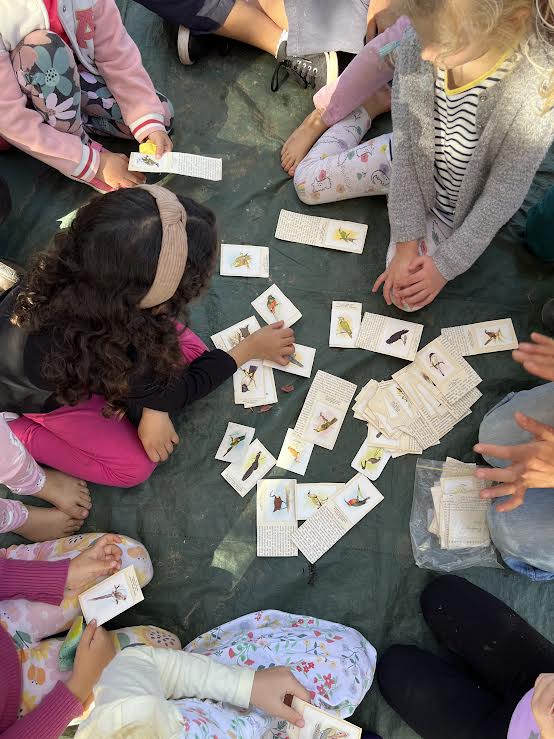
- Start with 5 local birds, focus on the ones right in your garden. Learn their calls together (make it a game, and you can even model better use of technology by leaning on nature apps like Merlin Bird ID as a bridging tool)
- Practice “bird sit spots” – 10 minutes of stillness, just listening to the garden or forest around you.
- Use birdsong playlists during homework/quiet time to introduce the calming effect
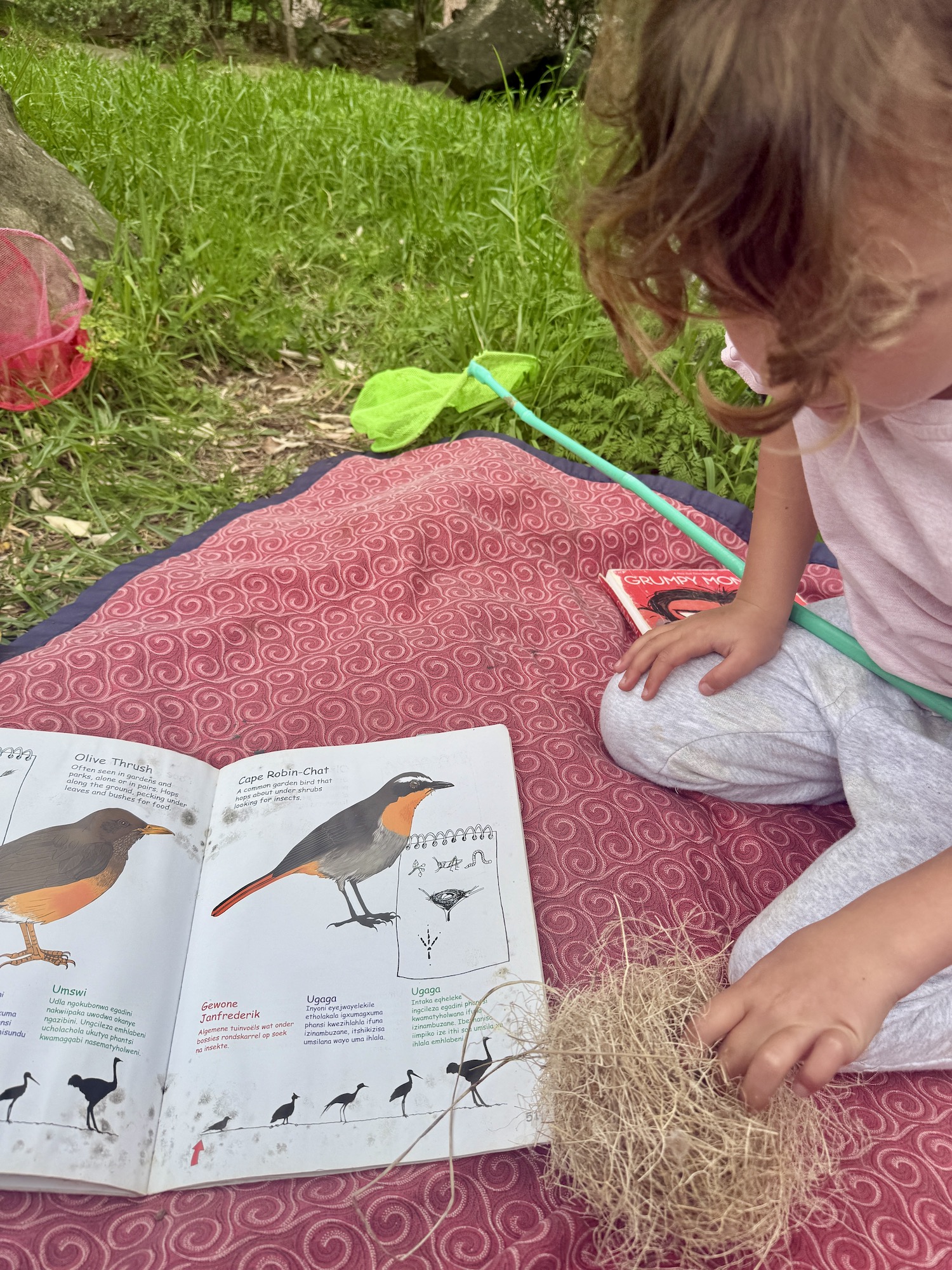
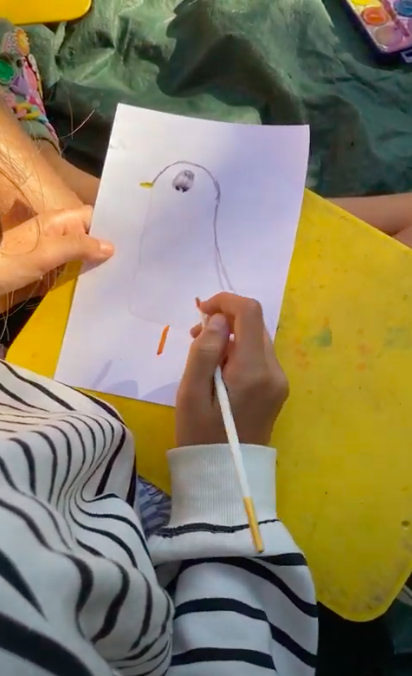
- Model curiosity yourself – wonder aloud about what you notice, use binoculars on walks to give active time to noticing the birds and then looking them up in bird books – the illustrations are beautiful and one always learns more than one anticipated. Many children especially find identification between the varying types of species fascinating.

The songs our children ought to know
We’re not just teaching children to identify a few birds – we’re helping them recognise what brings them peace. A skill that will serve them well as the world gets ever noisier.
Remember, this isn’t an agenda to eliminate all screen time, but rather a focus on restoring the balance we once held in our kinship with the natural world around us. Fortunately for us, our beautiful neuroplastic brains are able to sync in and connect with nature at any age, so it’s never too late. Nature connection can be rebuilt, and the benefits begin immediately.
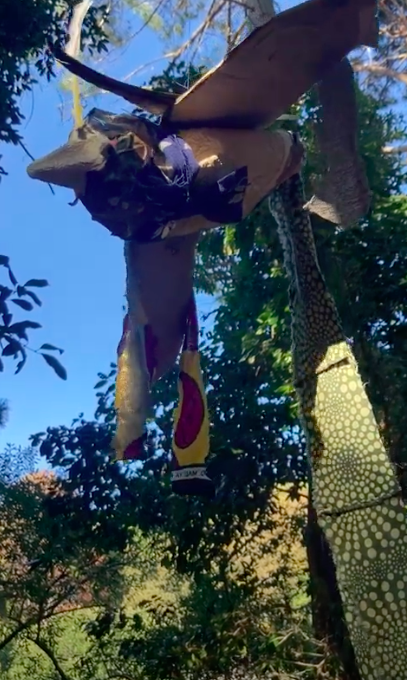
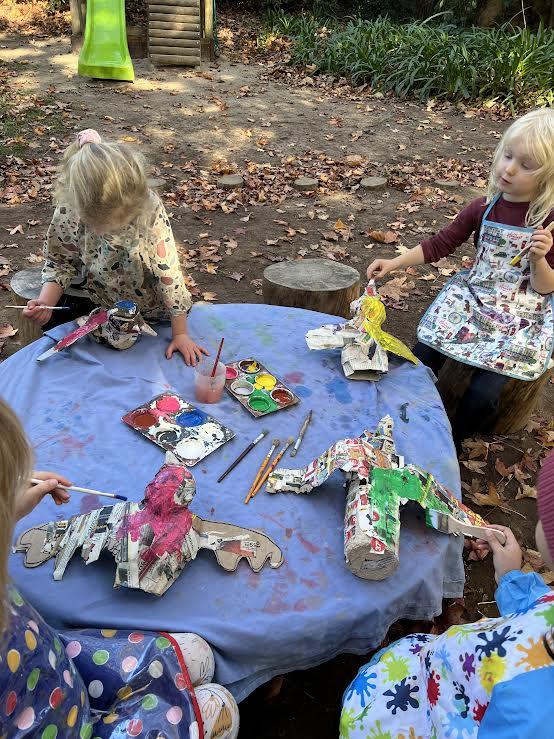
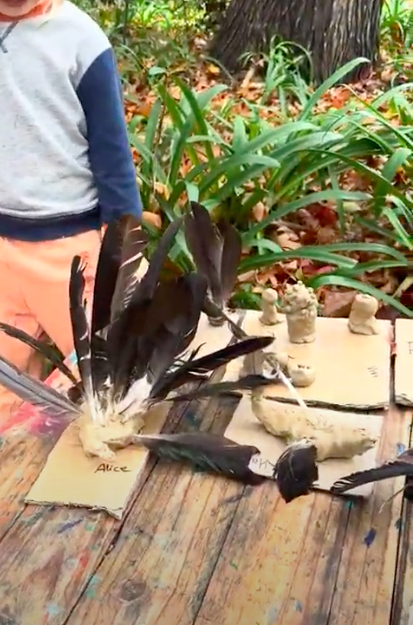
We’ve always known this at Forest School, that our children’s brains are still wired for the forest, even if their predominant environment isn’t. (and recently we participated in a fun event called Africanarra – all about celebrating birds!)
Every bird learned, every moment of listening, reactivates their natural biophilia, rewiring the path back to what we’re meant to know – namely that we were already whole just as we are. No flashy brands needed.

To restore more nature time in your child’s life, sign up for weekly sessions. They may come home with more laundry, but their minds and hearts will be cleaner for sure.
Supporting Content
- https://pubmed.ncbi.nlm.nih.gov/1956101/
- Identifying determinants of young children’s brand awareness: Television, parents, and peers – ScienceDirect
- How We Are Emotionally Crippling Our Children and the Easy Way to Overcome It—with Erica Komisar, LCSW – Bottom Line, Inc.
- https://www.mdpi.com/1660-4601/21/9/1247
- Attachment Theory, Bowlby’s Stages & Attachment Styles
- WhitehutchinsonTeachKloud
- Effective Nature-Based Outdoor Play and Learning Environments for below-3 Children: A Literature-Based Summary
- Supporting Child and Student Social, Emotional,Behavioural and Mental Health Needs