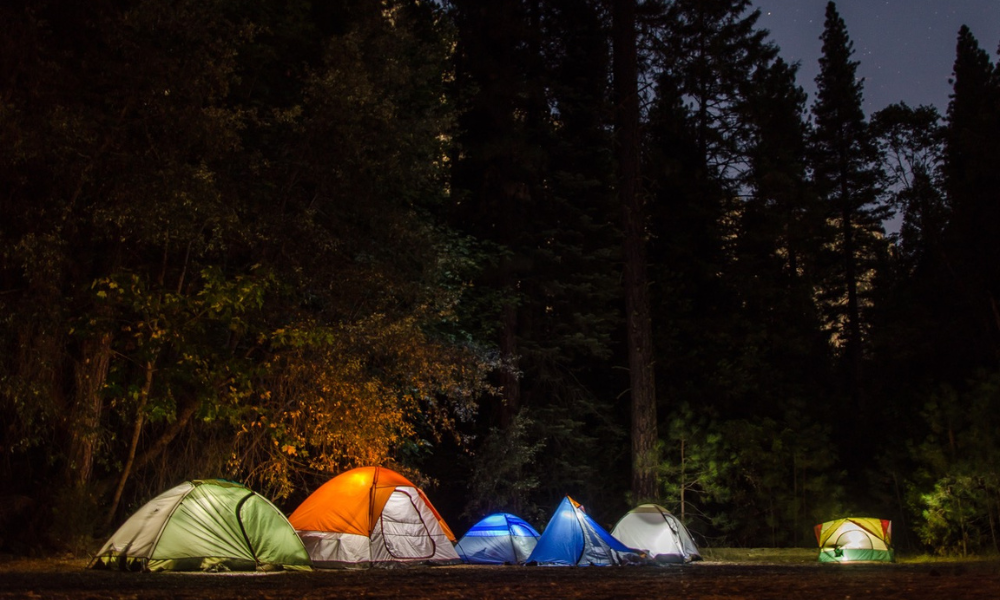
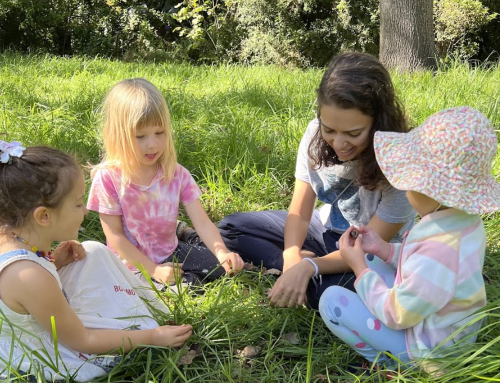
Spring is the perfect time to undertake camping adventures with kids under our vast and beautiful southern skies. If you’re new to the forest school ethos, going camping with kids may just seem like an awful lot of work for you (the parents) and a lot of ‘reigning them in’ as the kids become increasingly wilder.
Recent academic research published in Science Direct found that preschoolers who played outdoors for more than 3 hours per day had multiple advantages in early learning skills, self-regulation and social-emotional development. In short – they flourish.
This study comes into its own when you’re planning a family holiday as camping naturally provides extended outdoor exposure that strengthens children’s ability to focus, manage emotions, and engage in learning – all critical foundations for their academic success.
In South Africa we’re beyond lucky to have a plethora of absolutely beautiful outdoor camping spots. There’s ample wilderness to immerse yourself in if you’re a friend of going rugged, and just as many options if you prefer a touch of luxury with your outdoor time.
Now if you’re wondering how to make camping actually enjoyable with kids, our all encompassing checklist has you covered.

1. Smart Packing for Young Adventurers
While you’re packing the camping essentials don’t forget these handy must haves for the kiddos in the wild.
- Exploration Tools: Magnifying glasses, collection containers, nature guides and books
- Comfort Items: Familiar blankets, favourite cups etc
- Weather Essentials: Sun hats, rain ponchos for spring’s unpredictability, wellingtons for the occasional puddle and sunscreen
- Creative Supplies: Colouring pencils, blank books, natural craft materials like string and painters tape
- Safety Gear: Child-friendly torches and whistles
2. Keeping Little Hands Busy on the Road
Car time doesn’t need to equal screen time. Semi-boredom actually stimulates a young, developing mind (and grown up minds too) to look deeper into the world around them and develop a questioning, curious and creative mindset. Try some of these while on the road.
- Nature Journals: Drawing trees, animals, and landscapes they spot
- “I Spy” South African Style Bingo: Spotting baboons, springbokkies in the veld, birds of prey on wire fences or windmills along the road.
- Story Creation: Making up tales about the journey
- Movement Songs: Play songs with actions that require the kids to do something with their hands every time the lyrics repeat a certain phrase (and no, this doesn’t have to be repetitive children’s exercise) Create your own playlist with songs you and your partner love and assign little actions for words in the chorus
- Snack Preparation: Don’t forget the child-friendly biltong, rusks, and fruit and dried fruit
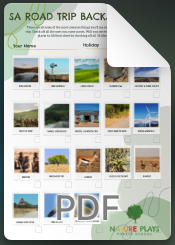
To help keep the kids in a curious and observational state of mind, we created a beautiful, and free, downloadable checklist for the kids. We call it ‘SA road trip backseat bingo’.
Make sure to print in colour if you can and to print one for each kid!
3. Camp Setup as a Learning Adventures
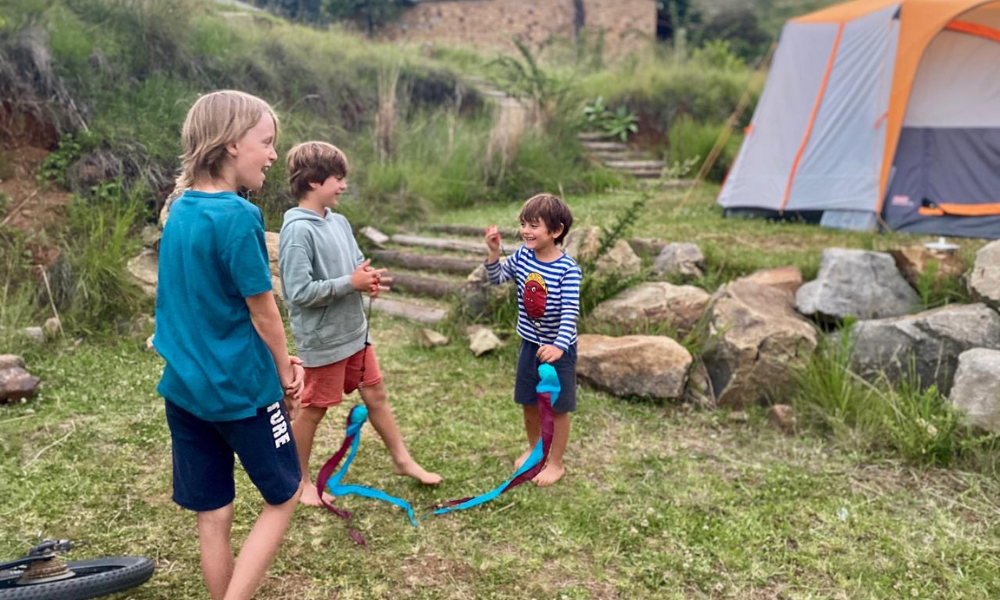
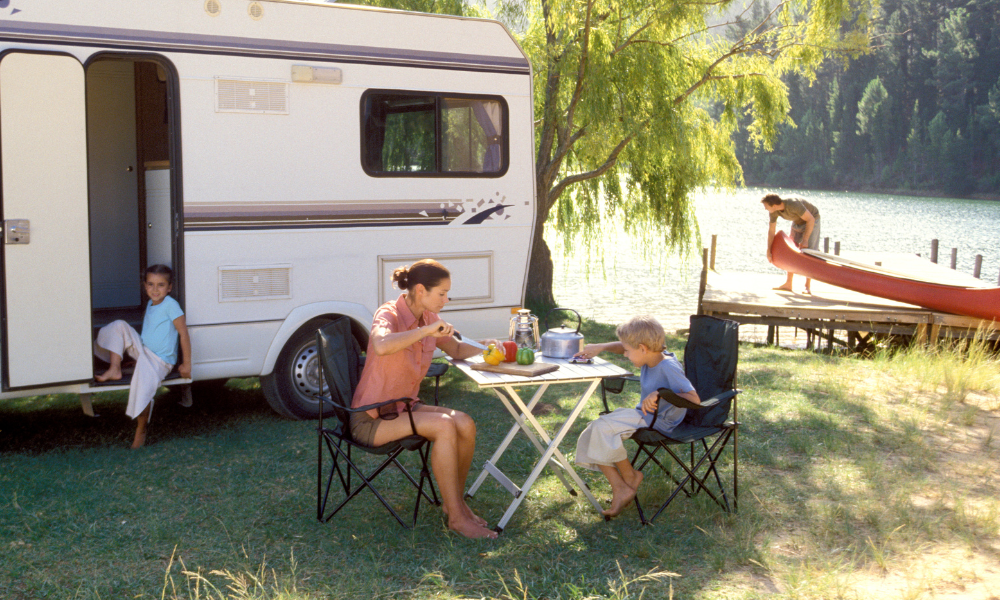
Once you’ve arrived, and after the kids have done some running around to get the lay of the land to release their energy, rope them in with camp set-up. Children thrive when they’re given age appropriate tasks that validate their inclusion and participation in their little tribe.
- Tent Assembly Help: Following visual sequences together teaches kids patience and step by step problem solving as well as helps develop spatial and lateral thinking
- Campsite Organisation: Creating designated spaces for different activities will help the kids feel like they get a say in their temporary new home as well as helps spark creative integration with their environment (eg. where is it sunny for a washing line?)
- Natural Boundary Making: Using stones and sticks to define play areas will have them scouring the space and engage them in creative play
- Water and Safety Tasks: Give them age-appropriate responsibilities like organising supplies, cutlery in the holder, washing up stuff together
- Cooking Prep: Definitely involve the kids in washing vegetables and measuring ingredients for potjiekos or break broodjies – they will be so proud to have helped make the delicious camp fire dinner.
4. Nature-Based Activities That Teach
You no doubt want pockets of quiet reading time for yourself, so best arm yourself with a few of these 10-15 minute activities that allow the kids to yo-yo back and forth while you get to chill or read.
- Mini Ecosystem Hunts: Finding dung beetles, millipedes, and gecko hiding spots (if you have the time to pre-create a chart they can tick off all the better)
- Indigenous Plant Discovery: Identifying wild fig, strelitzia, and proteas (child-led observation activities often come with picture cards to help them along)
- Rock & Mineral Collection: Building natural math concepts through sorting and categorising the pretty stones they find
- Star Gazing Made Simple: Using the Southern Cross as a starting point for wonder-based learning, let them make up their own constellations. There’s nothing quite like lying under a warm blanket next to the fire with hot chocolates and staring at the pin pricks of light.
- Bush Craft Basics: Now’s the time to let them sit nearby and whittle away at sticks or practice some handy knot tying. Throw in some safe fire observation tips and water source investigations and you’re golden.
5. Mindful Camping Considerations
When all is said and done camping with kids does require an element of child-led structure. Here are a few things to keep in mind.
- Following the Child’s Rhythm: Balancing adventure with rest is always a good idea. Set up some hammocks in the trees if allowed or a slack line that allows for gentle, restful movement nearby.
- Weather Flexibility: Having indoor tent activities like card games ready for rainy spring days – we love South Africa but the weather can be anyone’s guess.
- Safety Without Fear: Teaching respect for wildlife and plants. This point is crucial – kids will respond to nature the way you do, so lead by example here inspiring awe and curiosity rather than fear of the unknown.
- Screen-Free Zones: If you guide them toward their inherent natural curiosity over easy digital entertainment, you’ll be surprised how gently they absorb the pace of nature’s rhythms. Kids in natural environments are calmer and often quite at peace just observing their space in a gentle manner once they’ve gotten all the beans out their bones.
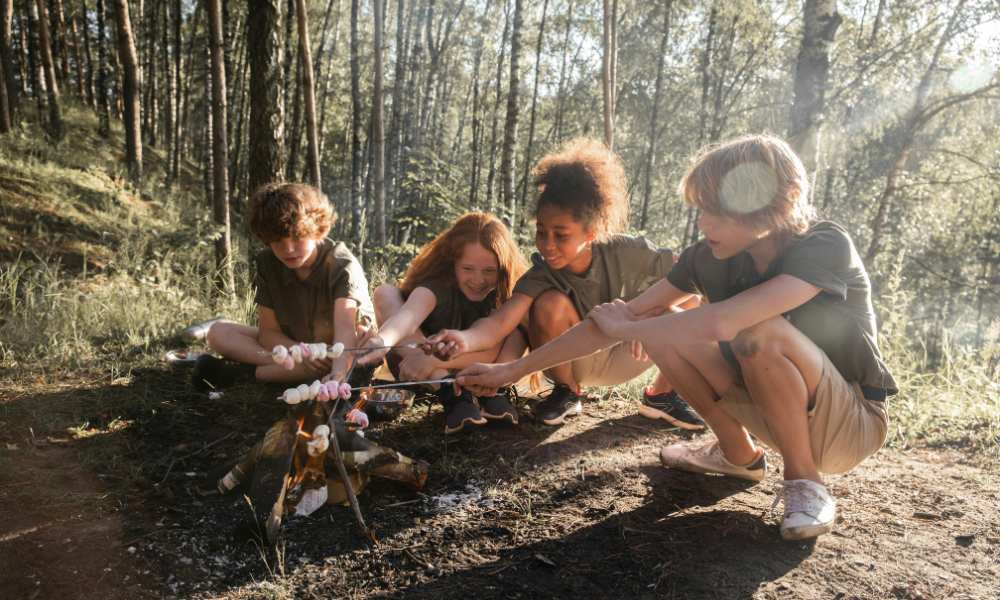
- Cultural Connection: Evenings around the fire is a great time for incorporating local stories and traditions. Share your family childhood stories of your own camping trips and things you remember ouma and oupa doing. When told by the light of a fire, even these seemingly silly anecdotes help nest the kids in their own family culture deepening their memories of these experiences.
Camping is not only an affordable family holiday but nurtures independence, wonder, and connection to South Africa’s incredible natural heritage. When instilled in kids from a young age, they will carry the camping, nature-lover bug for life – a healthy lust for gentle time under trees, near forests or alongside rivers.
Could there be a better lifelong gift?